If you are drawn to Black Mountain, you may already feel the pull of two very different lifestyles. One puts coffee, parks, galleries, and short walks at the center of your day. The other centers the home itself, with mountain terrain, privacy, and a setting shaped more by the land than by the street grid. If you are deciding between walkable in-town living and a ridge-top retreat, this guide will help you compare how each option actually feels in daily life. Let’s dive in.
Black Mountain Offers Two Distinct Lifestyles
Black Mountain is a small town of roughly seven square miles, located about 15 miles east of Asheville at an elevation of around 2,405 feet. Its planning materials highlight a walkable downtown, connected greenways, and a traditional small-town character. At the same time, Buncombe County treats steep-slope and high-elevation land as a special development environment because of viewshed and natural-resource concerns.
That split helps explain why home searches here often come down to a lifestyle choice. You may be choosing between a compact, connected in-town experience and a more secluded, site-driven mountain setting. Neither is better for everyone. The right fit depends on how you want your home and surroundings to support your day-to-day life.
Walkable Black Mountain Feels Connected
If you picture stepping out your door and combining errands, dining, and a park walk in one outing, in-town Black Mountain may feel like the natural fit. The town’s pedestrian overlay is intended to support safe pedestrian and wheelchair access and to connect residential areas with commercial and employment areas. That focus gives the downtown area a practical, everyday walkable feel.
Downtown Black Mountain is also compact. Local and tourism sources describe it as a cluster of shops, art galleries, cafes, bistros, restaurants, lodging, and other active businesses. For many buyers, that means you are not just buying a house. You are buying easier access to the town’s social and civic core.
What Daily Life Looks Like In Town
In-town living often makes simple routines feel easier and more enjoyable. You may be able to pair a morning walk with a stop for coffee, or head downtown without needing to make every outing a car trip. That convenience can be a major quality-of-life factor if you value spontaneity and connection.
Black Mountain’s greenway and trail system supports that rhythm. The town identifies several close-to-town recreation links, including:
- Lake Tomahawk Loop, a 0.55-mile crushed-granite loop usable by strollers and wheelchairs
- River Loop, a roughly 0.5-mile loop in Veterans Park
- Oaks Trail, a paved connection from Veterans Park to downtown
- River Walk Park, a 0.5-mile trail along the Swannanoa River
The town also plans for these routes to become part of one continuous east-west greenway through town. For buyers who want movement, outdoor access, and a sense of connection without a long drive, that is an important part of the in-town appeal.
Home Styles You Often See In Town
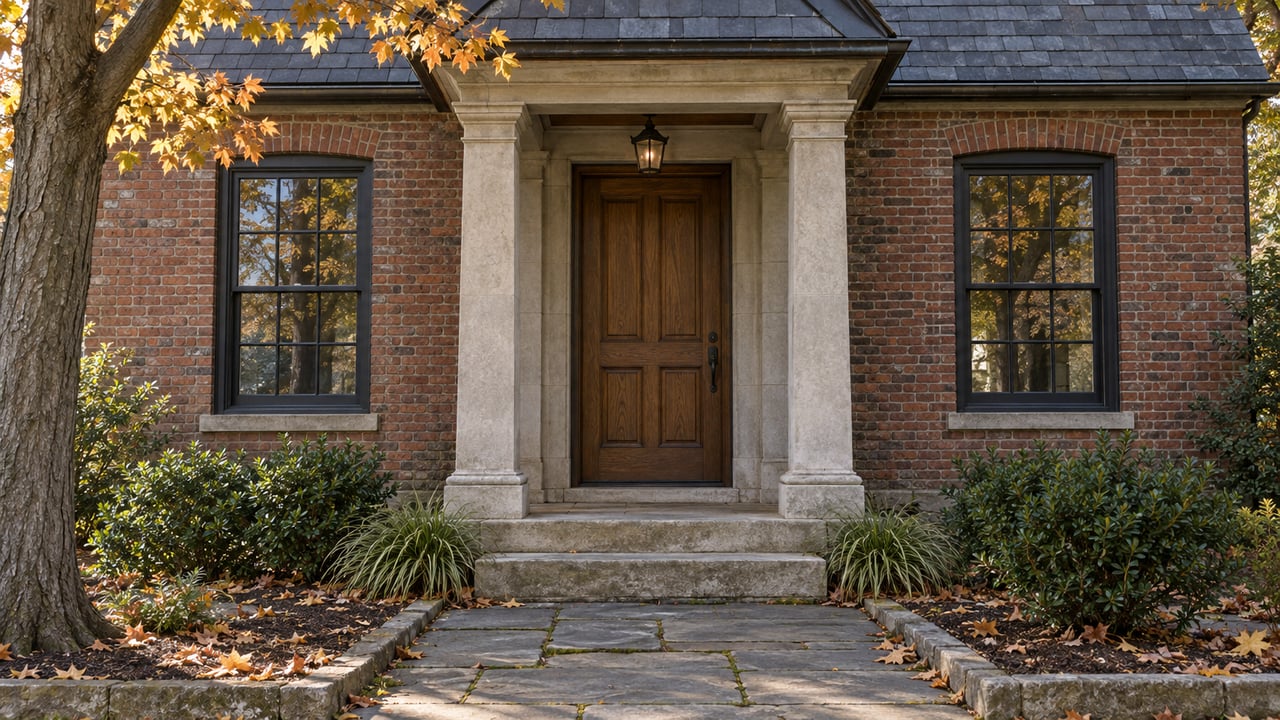
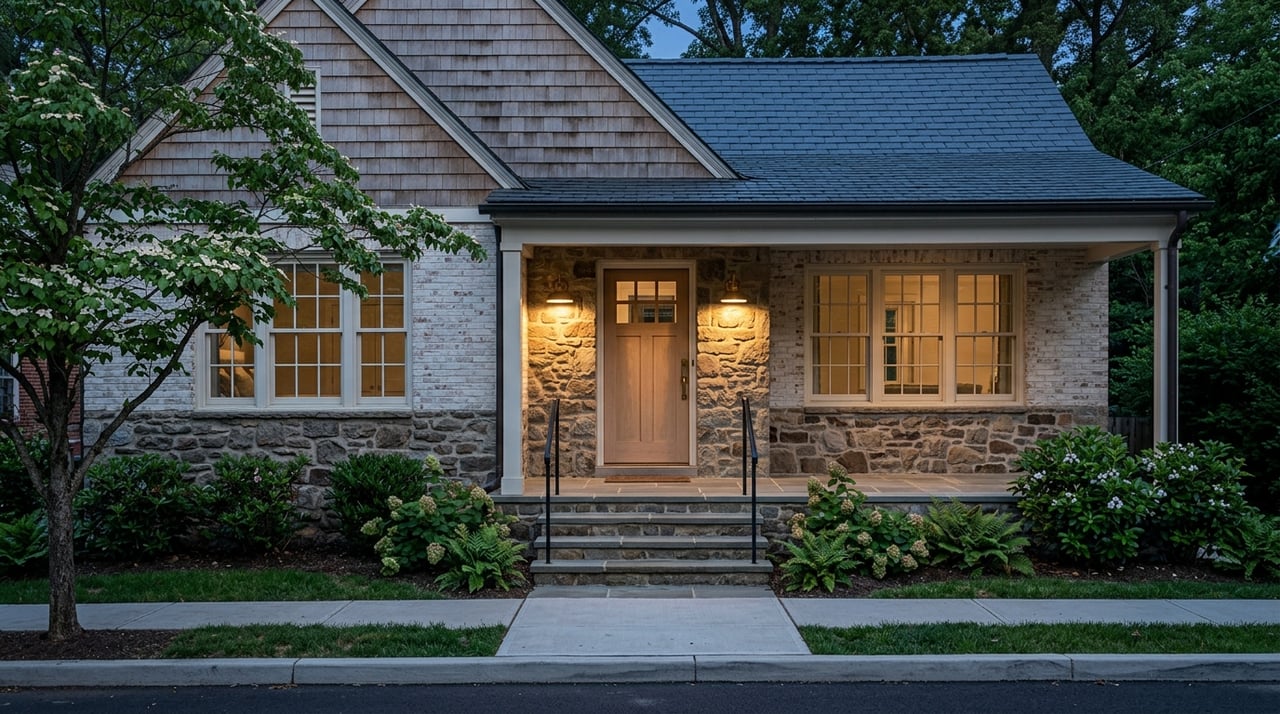
In-town Black Mountain is generally tied to the older, more compact residential fabric. Historic documentation in town describes bungalow, Craftsman-influenced, Colonial Revival, and Minimal Traditional homes, along with frame and brick houses that often feature porches, retaining walls, and sloping or slightly elevated lots.
These homes often feel rooted in place. Natural materials, front porches, and established streetscapes add to the sense of character. If you are drawn to architecture with local texture and a closer relationship to downtown, this part of Black Mountain may offer what you are looking for.
Ridge-Top Retreats Feel Site-Driven
Ridge-top and hillside living in the Black Mountain area offers a different kind of value. Here, the lot, the terrain, and the home’s placement on the land tend to shape the experience more than sidewalks or a street pattern. In practical terms, the property itself often becomes the centerpiece of daily life.
Buncombe County’s development rules help explain why. The county applies steep-slope and high-elevation standards at 2,500 feet and above where the natural slope is 35 percent or greater. It also applies protected ridge standards above 3,000 feet and 500 feet or more above the adjacent valley floor. According to the county, these rules are meant to limit development intensity, preserve viewsheds, and protect natural resources.
What Daily Life Looks Like On The Hillside
A hillside or ridge-top home usually trades some walkability for more privacy, more separation, and a stronger relationship to the mountain landscape. The road network matters more than the sidewalk network. Trips into town may be quick, but they are usually more intentional.
This setting can be especially appealing if you want your home to feel like a retreat. You may prioritize quiet outdoor space, a larger lot, or a home sited to respond to the land. In this version of Black Mountain, the experience often starts at the driveway and unfolds through the terrain.
Why Terrain Matters More Here
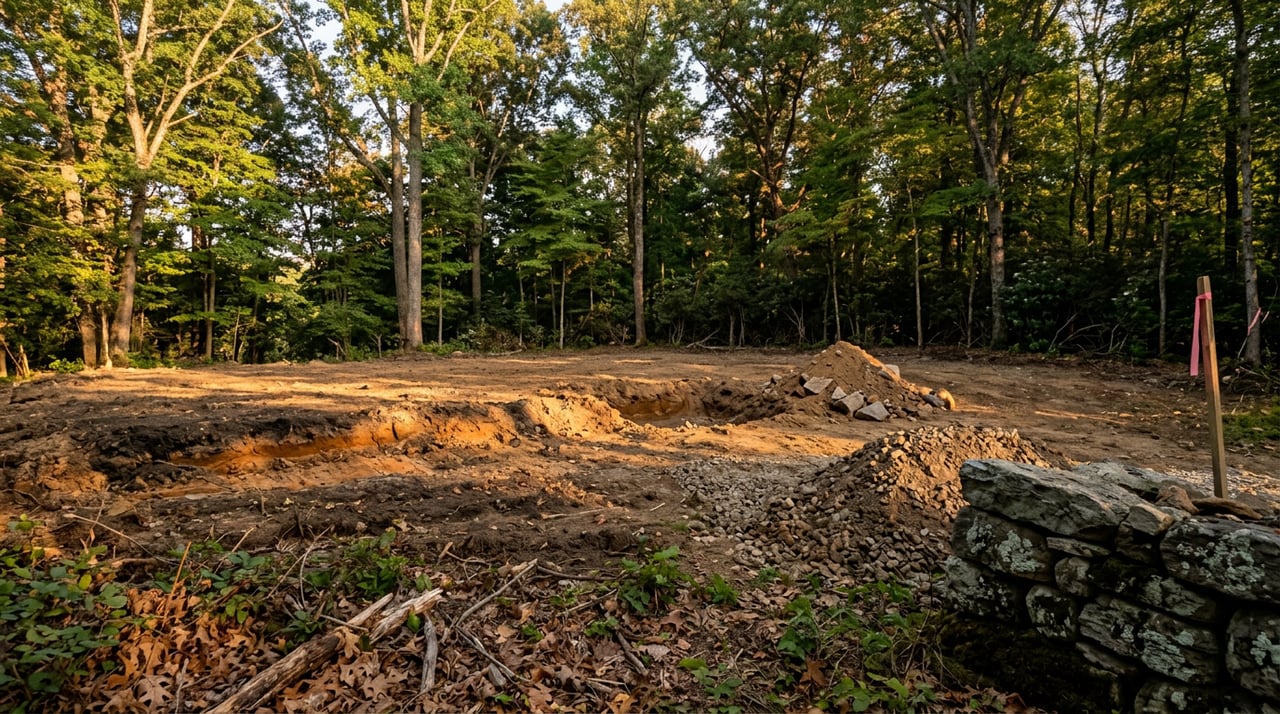
Black Mountain’s own mapping identifies steep-slope parcels, and the town notes that sidewalk construction can be infeasible in some locations because of severe roadside conditions or slope. That matters because it shapes how neighborhoods function. A map may show two homes that are close in distance, but the land can make them feel very different in access and use.
The county also says conservation development is intended to preserve ridge tops, woodlands, open space, floodplain, and landslide-hazard areas. For buyers, that means the land itself is part of the equation in a very real way. Home siting, usable outdoor areas, and access patterns can all be influenced by topography.
Home Styles You Often See Beyond The Core
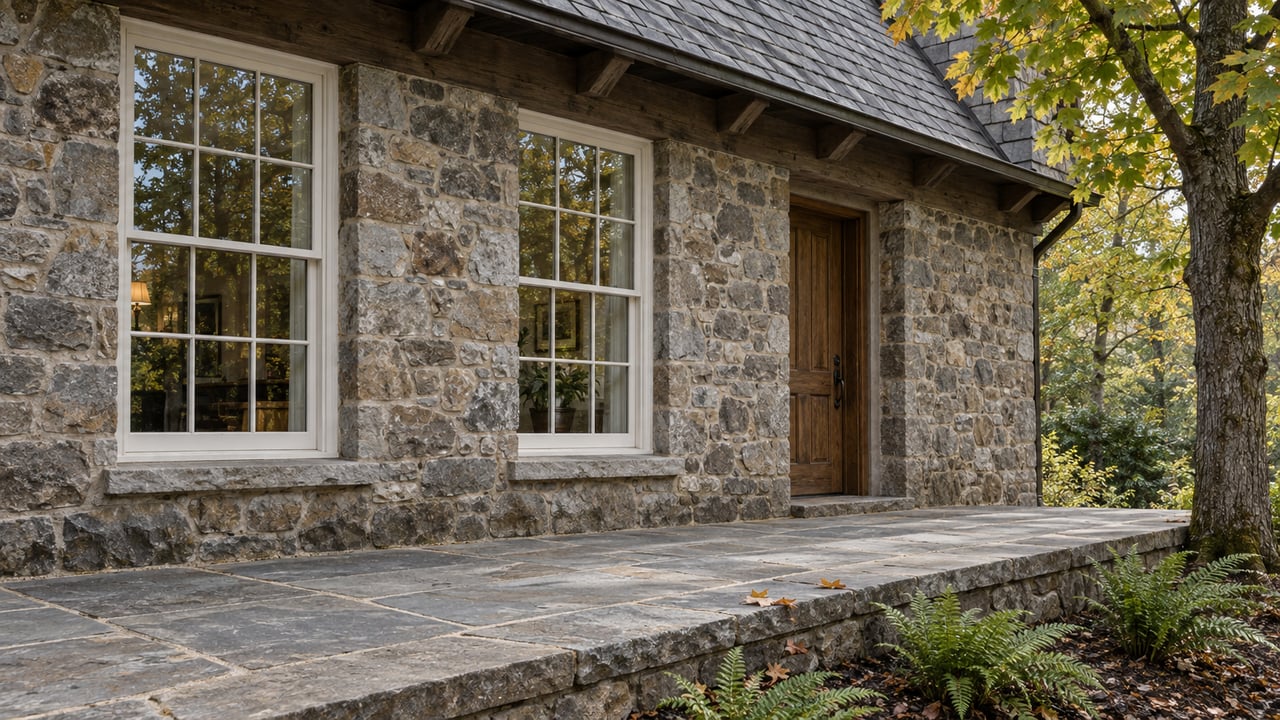
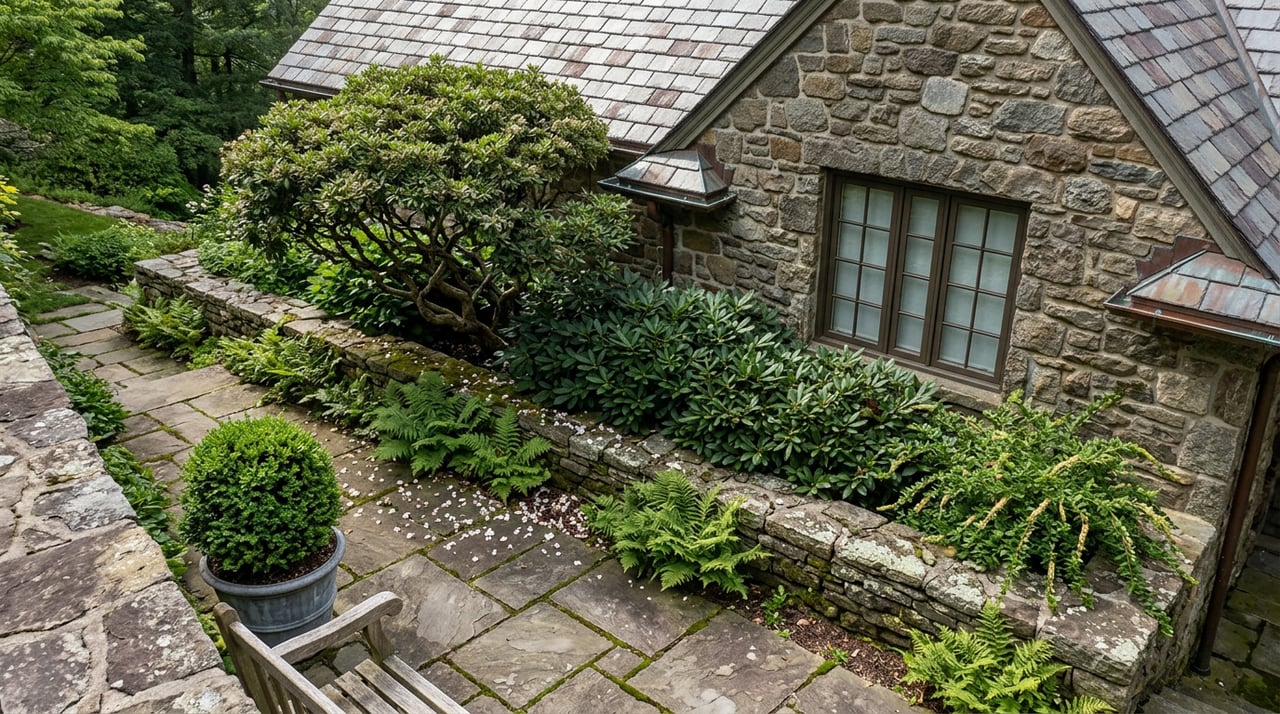
Outside the compact downtown fabric, the built environment becomes more varied. The South Montreat Road historic district offers a useful local example, with older frame houses, bungalows, Craftsman-influenced dwellings, larger lots, privacy fencing, sloping lots, wraparound porches, and stone retaining walls.
That mix shows how mountain terrain shapes homes and outdoor spaces. Instead of a uniform streetscape, you are more likely to see homes adapted to slope, elevation, and lot configuration. If you are drawn to privacy, layered outdoor living, and a stronger sense of separation, that may feel like the right tradeoff.
Walkability Vs Privacy: The Real Tradeoff
The choice between walkable Black Mountain and a ridge-top retreat is not really urban versus rustic. In Black Mountain, it is more accurate to compare compact historic bungalow and Craftsman-style living with more topographically responsive hillside homes on larger or more secluded sites.
A walkable location often gives you convenience, routine flexibility, and easy access to parks and downtown businesses. A ridge-top or hillside setting often gives you privacy, a more immersive mountain feel, and a home experience shaped by the land. Your best choice depends on whether you want your lifestyle to revolve around connection and convenience, or retreat and separation.
Asheville Access Matters In Both
One of Black Mountain’s advantages is that both lifestyles still connect back to Asheville. The town is about 15 miles east of Asheville, and planning materials identify US 70 and I-40 as major east-west corridors. That makes Black Mountain a realistic option for buyers who want a smaller-town setting while remaining tied to Asheville’s broader service area and commute patterns.
This is part of what makes the decision feel nuanced rather than absolute. You can choose a walkable in-town home and still access Asheville with relative ease. You can also choose a more secluded mountain setting without giving up that regional connection altogether.
How To Choose The Better Fit
If you are trying to narrow your search, start by thinking less about price point alone and more about how you want your week to flow. The best Black Mountain home is often the one that supports your routines, not just your wish list.
Ask yourself:
- Do you want to walk to parks, downtown shops, and restaurants regularly?
- Do you prefer a home with established neighborhood character and a compact setting?
- Do you want privacy and a more site-specific mountain feel?
- Are you comfortable with terrain playing a bigger role in access and usability?
- Do you want your outdoor experience to center on greenways and town parks, or on a more secluded home setting?
These questions can quickly clarify what matters most. In a market like Black Mountain, the setting is not just a backdrop. It is a major part of how the property lives.
Why Local Guidance Helps In Black Mountain
In Black Mountain, the difference between two listings is not always obvious from square footage or photos alone. A home near downtown may offer a very different daily rhythm from a home on a sloped or elevated site, even if both share the same town address. Terrain, connectivity, and home siting matter here.
That is where curated, local guidance becomes valuable. When you understand how topography, access, and location shape the living experience, you can buy with more confidence and sell with a clearer story. If you want help comparing walkable homes and mountain retreats in Black Mountain, connect with Kim Gentry Justus at Christie's International Real Estate for a curated consultation.
FAQs
What does walkable living in Black Mountain mean for homebuyers?
- In Black Mountain, walkable living generally refers to being near the compact downtown core, parks, and greenway connections, where daily outings can include shops, dining, and recreation in one area.
What defines a ridge-top or hillside home near Black Mountain?
- A ridge-top or hillside home near Black Mountain is typically shaped more by terrain, elevation, slope, and lot placement than by a connected street-and-sidewalk pattern.
What trails and parks support walkable Black Mountain living?
- Town-supported recreation links include Lake Tomahawk Loop, River Loop in Veterans Park, Oaks Trail connecting Veterans Park to downtown, and River Walk Park along the Swannanoa River.
What home styles are common in in-town Black Mountain neighborhoods?
- Historic documentation for Black Mountain notes bungalow, Craftsman-influenced, Colonial Revival, and Minimal Traditional homes, along with frame and brick houses that often include porches and retaining walls.
What should buyers know about steep-slope and ridge development near Black Mountain?
- Buncombe County applies special standards to certain steep-slope, high-elevation, and protected ridge areas to limit development intensity, preserve viewsheds, and protect natural resources.
How far is Black Mountain from Asheville for daily access?
- Black Mountain is about 15 miles east of Asheville, with US 70 and I-40 serving as major east-west travel corridors.