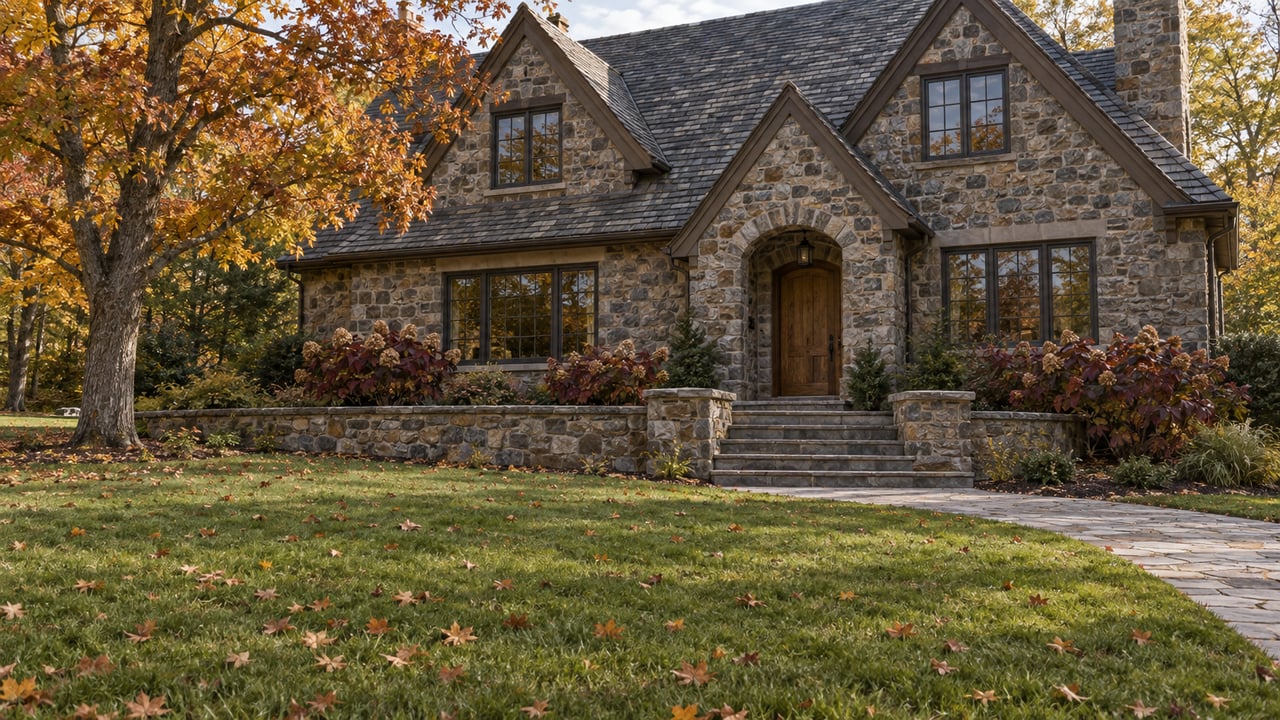
If you have been dreaming about a first mountain home, Swannanoa offers a compelling place to start. You get the appeal of western North Carolina living, plus practical access through the valley, but mountain real estate here still asks you to think carefully about land, drainage, access, and future improvements. This guide will help you understand what to look for, what to verify, and how to buy with more confidence in Swannanoa. Let’s dive in.
Why Swannanoa Appeals to First-Time Buyers
Swannanoa is a census-designated place in Buncombe County with a population of 5,021 and 6.38 square miles of land area. Its setting in the Swannanoa Valley gives you a mountain backdrop with a strong connection to outdoor recreation and regional access.
The lifestyle draw is easy to see. Buncombe County parks list Charles D. Owen Park in Swannanoa with walking trails, fishing, and other outdoor amenities, and the Swannanoa Valley Museum highlights the valley’s role as a pathway to western North Carolina. Buncombe County also includes the Swannanoa River Greenway in its regional greenway system.
For many first-time buyers, that combination matters. You are not just buying a house. You are buying into a setting where access, terrain, and day-to-day livability shape the ownership experience.
Know How Unincorporated Swannanoa Works
One of the most important things to understand is that Swannanoa is unincorporated. That means many property questions are handled through Buncombe County rather than a town government.
For you as a buyer, Buncombe County may be the key source for zoning, floodplain review, stormwater, septic and well permitting, and development approvals. This becomes especially important if you are comparing homes with different lot types, utility setups, or renovation potential.
That local structure also affects long-term planning. Buncombe County is actively working on a Swannanoa Small Area & Resilience Plan that is expected to help shape land use, transportation priorities, and policy actions for the next 20 years.
Start With the Land, Not Just the House
In mountain real estate, the house is only part of the story. The lot itself often tells you more about long-term ease of ownership than a pretty kitchen or fresh paint ever will.
Topography changes how a property drains, how you access it, and what future projects may require. In Swannanoa, valley and mountain conditions can vary quickly from one property to the next, so it helps to look beyond the listing photos and ask how the site actually functions.
Slope Matters More Than You Think
Buncombe County provides a slope calculation tool and GIS layers for elevations, flood mapping, environmental areas, and infrastructure. However, the county also cautions that its GIS data is not survey-grade and should be verified before making decisions.
That means online maps are a useful starting point, but not the final answer. If a lot appears steep, irregular, or difficult to improve, you will want to verify what that means before closing, especially if you hope to add a deck, expand parking, or rework a driveway later.
Overlay Rules Can Affect Future Plans
Some parcels in the area may fall under added overlay rules. Buncombe County states that its Steep Slope/High Elevation Overlay applies to development above 2,500 feet with natural slopes of 35% or greater, and its Protected Ridge Overlay applies above 3,000 feet and 500 feet or more above the adjacent valley floor.
Even if a home sits in a lower area, planned work on the lot could still trigger review. Additions, driveways, grading, and land disturbance may be more regulated than first-time buyers expect.
Landslide Risk Is Part of Mountain Buying
The North Carolina Geological Survey says landslides are most common in the mountain region because of steep slopes, and large rainstorms and hurricanes can trigger them. For higher-slope parcels, the state’s landslide data viewer and inventory can help you better understand the site before closing.
This does not mean every mountain property is risky. It does mean that slope, drainage, and recent site history deserve a closer look any time you are buying in western North Carolina.
Pay Close Attention to Water and Flood Risk
In Swannanoa, water management can shape both your daily experience and your future costs. A home that handles drainage well may feel easier to own, maintain, and improve over time.
Buncombe County’s stormwater program was adopted to limit runoff impacts from new development and reduce erosion and flooding. The county notes that stormwater permits are required for residential development disturbing one acre or more.
For a buyer, the practical question is simple: where does water go on this property? In flood-prone terrain, even modest grading can change how water moves across a site, so a home’s drainage pattern matters just as much as curb appeal.
Floodplain Review Is Essential
Buncombe County’s floodplain ordinance regulates new structures, additions, grading, filling, and other changes within the 100-year floodplain. County guidance also says property owners should use flood maps or speak with an insurance agent to understand their risk.
The North Carolina due diligence framework also points buyers to flood hazard review during the investigation period. In practical terms, you should confirm whether the property is in a Special Flood Hazard Area and whether flood insurance may be advisable or required by a lender.
Understand Access and Current Recovery Context
Access is part of a mountain home’s value and convenience. In Swannanoa, current road conditions and recovery work remain part of the real estate picture after Helene.
NCDOT reported that the Whitson Avenue Bridge reconnects U.S. 70 to Old U.S. 70 after Helene damage, and that a damaged section of Swannanoa River Road was also reopened after rebuilding the roadbed and utilities. Buncombe County is still managing recovery efforts tied to housing, infrastructure, private roads and bridges, and landslide inspections.
If you are considering a property near areas affected by storm damage, ask direct questions. Find out whether repairs were completed, whether permits and records are available, and whether nearby roads, greenway projects, or infrastructure work are still in planning or rebuilding.
Use Due Diligence to Verify the Right Details
North Carolina’s due diligence period is your time to investigate the property and surrounding area. The NC Real Estate Commission describes it as the buyer’s opportunity to gather information about the property, financing, inspections, restrictive covenants, appraisals, surveys, and flood hazard review.
For a first mountain home, this is where smart buying happens. You are not only checking the house. You are confirming the land, access, utility setup, and what ownership may look like after closing.
Survey and Title Review
Buncombe County Land Records says its GIS should not be used to locate lot lines and is not survey-grade. The county advises property owners to rely on deeds and plats and to consult a professional surveyor when needed.
That matters because a survey can reveal setbacks, encroachments, utility easements, and storm-drainage easements that may affect your plans. If you think you may add fencing, a deck, a driveway change, or another improvement later, a clear understanding of the lot is worth it.
Septic and Well Questions
If the home uses septic or a private well, Buncombe County Environmental Health becomes a central part of the transaction. The county permits and inspects septic systems and private drinking water wells, and it notes that roughly half of Buncombe County depends on septic systems.
This is one of the most important practical questions to ask early. Does the property have public water and sewer, or does it rely on a private system that may affect maintenance, testing, and future improvements?
Well Testing
NCDHHS says all newly constructed private wells in North Carolina must be tested before they are used as a drinking-water source. The agency also says existing wells should be checked after repairs, replacements, or flooding events.
In a valley setting where drainage and flooding can be part of the property story, this is especially relevant. If the home has a private well, make sure you understand its condition and recent testing history.
Think Ahead About Improvements
Many first-time buyers hope to personalize a mountain home after closing. In Swannanoa, that is possible, but the right first step is confirming what the site can support.
Buncombe County says land-disturbing activity may require stormwater or erosion control approval, and in overlay districts even smaller projects can be regulated. The zoning ordinance also states that a zoning permit is required before a building permit in many situations, including overlay areas.
Before you assume a project will be simple, ask about permits for:
- Decks
- Additions
- Driveway changes
- Grading work
- Retaining walls
- Tree clearing
A home that looks move-in ready today may still have limits on what you can change tomorrow.
Focus on Features That Make Mountain Living Easier
The most valuable features in a first mountain home are often the least flashy. In Swannanoa’s valley setting, practical design usually matters more than dramatic presentation.
Look for qualities that support easier ownership, such as:
- Solid drainage around the home
- Usable parking and turnaround space
- Weather-resistant materials
- Easy entry in all seasons
- Enough storage for outdoor gear
- A site layout that avoids steep, awkward access points
These details can make the difference between a home that feels effortless and one that feels like a project from day one.
A Smart First-Home Checklist for Swannanoa
If you want to simplify your search, keep your focus on a few core questions. These are often the issues that shape both near-term comfort and long-term flexibility.
Ask yourself and your real estate professional:
- Is the property in a floodplain or near a drainage swale?
- Does the lot slope affect safety, drainage, or future improvements?
- Are there easements, deed restrictions, or road-maintenance agreements?
- Does the home use public utilities, septic, a private well, or some combination?
- What permits would likely be needed for projects I may want later?
- Were any post-Helene repairs completed, and are records available?
- Could nearby planning changes affect access or surrounding corridors over time?
A first mountain home should feel exciting, but it should also feel understandable. The more clearly you can answer these questions, the more confident your decision will be.
Buying in Swannanoa can be a wonderful entry into mountain homeownership when you balance lifestyle with careful property review. If you want a guide who understands both the design side of a home and the land realities that come with western North Carolina, connect with Kim Gentry Justus at Christie's International Real Estate for a curated consultation.
FAQs
What should first-time buyers in Swannanoa check before making an offer?
- Review slope, floodplain status, access, utilities, survey details, easements, and any post-Helene repairs or permits during due diligence.
How does unincorporated Swannanoa affect a home purchase?
- Because Swannanoa is unincorporated, many zoning, floodplain, stormwater, septic, well, and development questions are handled through Buncombe County.
Why is floodplain review important for homes in Swannanoa?
- Buncombe County regulates changes within the 100-year floodplain, and floodplain status can affect insurance, lender requirements, future projects, and day-to-day risk.
What utility questions matter for a first mountain home in Swannanoa?
- You should confirm whether the home has public water and sewer or relies on septic and a private well, since that affects maintenance, permitting, and testing needs.
Can buyers easily add decks or make site changes to homes in Swannanoa?
- Not always. Depending on the property, decks, additions, grading, driveway work, retaining walls, and tree clearing may require county review or permits.
How can buyers research slope and land conditions in Swannanoa?
- Buncombe County GIS tools and slope resources are useful starting points, but the county says they are not survey-grade and should be verified before making decisions.