Looking for land near Marshall that gives you both mountain drama and river appeal? That mix is exactly what draws many buyers to this part of Madison County, but it also means the details matter just as much as the views. If you are considering riverfront or mountain acreage near Marshall, this guide will help you understand what makes these properties special, what can complicate a purchase, and what to check before you fall in love with a tract. Let’s dive in.
Why Marshall Stands Out
Marshall offers a setting that feels distinctly tied to both water and terrain. The town sits along the French Broad River with steep mountain topography rising around it, creating a landscape that feels layered, scenic, and highly usable for people who value outdoor access and a small-town mountain setting.
According to the Town of Marshall visitor information, Marshall is known for its location on the French Broad River and its historic downtown character. The area also benefits from riverfront greenspace and access connected to Blannahassett Island, along with a visible arts presence that adds another dimension to the town experience.
For many buyers, that combination is the real draw. You are not just buying acreage. You are buying proximity to a mountain town with river access, outdoor recreation, and a strong sense of place.
Riverfront Appeal Near Marshall
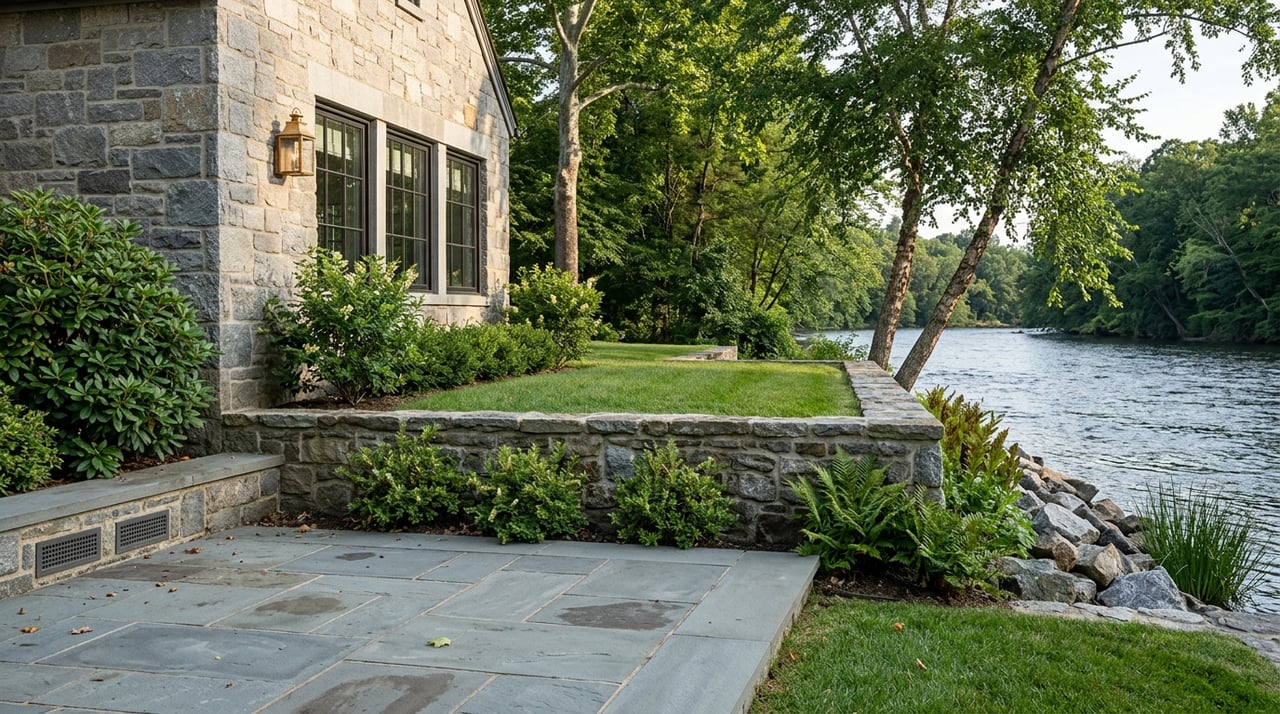
Riverfront land near Marshall can be especially compelling if you want a private retreat, a recreational property, or a homesite with a strong connection to the landscape. The French Broad River is not just scenery. It is part of a broader regional recreation network.
The French Broad Paddle Trail spans 146 miles from Rosman, North Carolina, to Newport, Tennessee, which reinforces how significant the river is for paddling and visitor use. For buyers, that can add lifestyle value, especially if your ideal property includes river views, access, or a launch point nearby.
That said, riverfront value is rarely just about frontage. It is also about whether the land is usable the way you intend to use it.
Riverfront Beauty and Flood Risk
Floodplain risk should be one of the first things you review on any river-adjacent property near Marshall. Madison County’s flood damage prevention ordinance states that flood-prone areas are subject to periodic inundation, and development within Special Flood Hazard Areas requires a Floodplain Development Permit before work begins.
That ordinance also requires documentation such as a scaled plot plan and utility protection plans. If you are thinking about building, adding infrastructure, or improving access, those requirements can affect cost, timing, and feasibility.
A smart next step is checking the parcel through FEMA’s official Flood Map Service Center. That is the standard source communities and lenders use to understand flood hazard information and potential insurance requirements.
Helene Still Matters
Recent storm history is part of the buying picture in western North Carolina. The North Carolina Department of Public Safety notes that Hurricane Helene caused record flooding in western North Carolina, and local recovery information in Madison County has reflected that impact.
The French Broad Paddle Trail also notes that Helene changed some access points and amenities across the watershed. In practical terms, that means you should treat current access, drainage, and site conditions as active due diligence items, not assumptions.
Mountain Acreage Has Its Own Rules
If you are shopping for mountain acreage near Marshall, the challenges shift from floodplain questions to terrain, access, utilities, and ridge protections. Scenic land can be highly appealing, but steep topography often makes site planning more complex.
Madison County’s comprehensive plan makes clear that the county’s mountains, rivers, and coves create real development challenges. It also notes that many ridges are protected under state law.
Protected Ridge Restrictions
Madison County’s ridge standards matter if a parcel reaches higher elevations. Under the county’s rules described in the comprehensive plan, protected ridges are generally ridges at least 3,000 feet in elevation and at least 500 feet above the adjacent valley floor.
On those ridges, buyers may face restrictions such as:
- Minimum new lot sizes of 2 acres
- Limits on building height
- Limits on how far structures can project above the ridge crest
- Clearing limits of 25% of the lot
- Ridge setback requirements
If your goal is a view-focused homesite or retreat, those rules can shape where and how you build.
Town or County Jurisdiction
One detail many buyers overlook is whether a parcel falls inside town limits or under county jurisdiction. Madison County’s planning and zoning page notes that Marshall, Mars Hill, and Hot Springs each have their own zoning, while county rules apply outside those town boundaries.
That distinction can affect everything from permitted uses to subdivision rules to floodplain and watershed review. Before you rely on a listing description, confirm which governing body controls the parcel.
Utilities Can Make or Break a Parcel
A beautiful tract is only as useful as its access to essential services. This is especially true for mountain and riverfront land, where distance, slope, and existing infrastructure can vary widely from one property to the next.
The Town of Marshall water and sewer page confirms that the town offers water and sewer service, with applications handled in person at town hall. Outside serviced areas, you may need septic approval and a private well, which brings another layer of feasibility review.
Madison County Environmental Health handles septic evaluations, sewage permits, well permits, and existing system inspections, as referenced through county resources. The county tax assessor also notes that new structures need an E-911 address before a building permit can be issued, and utility companies will not provide service without that address, according to the Madison County Tax Assessor.
For buyers, this means a good acreage purchase is not just about acreage size. It is about whether the land has realistic access, permitting pathways, and utility solutions.
Watershed and Development Limits
Some parcels near Marshall may also be affected by watershed rules. Madison County’s watershed ordinance can limit built-upon area and require stormwater and drainage controls.
That matters if you are considering more than a single private homesite. If your long-term vision includes a cabin cluster, retreat layout, or future subdivision concept, watershed restrictions can directly shape what is possible.
In some cluster-style developments, remaining land may need to stay vegetated or in a natural state. That can preserve the landscape character, but it can also narrow future flexibility.
Conservation Easements and Land Use
Not every attractive tract comes with full development freedom. Some properties may be subject to a conservation easement, and that can have a major effect on what you can do with the land.
According to NC State Extension, conservation easements are land protection tools that often restrict subdivision and impervious surface expansion. The NC Department of Agriculture explains that easement land remains privately owned and can still be sold or inherited, but the easement runs with the land.
That means a parcel can still offer scenic, recreational, or stewardship value while having tighter limits on future building or division. If you are comparing two similar tracts, the rights that remain with the property may matter just as much as the land itself.
How Taxes and Value Connect
Madison County says through the tax assessor that assessments are based on fair market value and market conditions. The same office also notes that agricultural or forestry land-use programs can affect taxes.
This matters because riverfront and mountain acreage often carry value that is highly tied to usability. If floodplain status, easement restrictions, ridge rules, or utility constraints limit what can be built, that can influence the buyer pool and how the property is valued in the market.
Put simply, scenic appeal and practical utility do not always overlap. The best land purchases near Marshall balance both.
Questions to Ask Before You Visit
Before you schedule a tour of riverfront or mountain acreage near Marshall, it helps to have a working checklist. A strong first impression is important, but a better first question can save you time.
Start with these:
- Is any part of the property in a Special Flood Hazard Area or floodway?
- Have access points, roads, or drainage conditions changed since Helene?
- Is the parcel in Marshall town limits or under Madison County jurisdiction?
- Does the tract have legal road frontage and an E-911 address?
- Will the property need septic, well, floodplain, watershed, or subdivision approvals?
- Is the land affected by a conservation easement or protected ridge rules?
- If you want a cabin, retreat, or rental use, is the site realistically buildable?
These are the kinds of questions that turn a beautiful listing into an informed purchase decision.
A Smarter Way to Shop Marshall Acreage
Land near Marshall can be exceptionally beautiful, but it rewards buyers who look past the surface. Riverfront property may come with floodplain and access questions, while mountain acreage may involve slope, ridge, utility, and permitting challenges.
That does not make these properties less appealing. It simply means the best opportunities are the ones where the setting, the rules, and your goals all align.
If you are considering riverfront or mountain acreage near Marshall, working with a broker who understands western North Carolina land can help you narrow in on parcels with both strong character and realistic potential. For a high-touch, locally informed conversation, connect with Kim Gentry Justus at Christie's International Real Estate.
FAQs
What makes riverfront land near Marshall appealing to buyers?
- Riverfront land near Marshall offers a mix of scenic value, recreation access, and proximity to a historic mountain town on the French Broad River.
What flood checks should you do before buying land near Marshall?
- You should review FEMA flood maps, ask whether any part of the parcel is in a Special Flood Hazard Area or floodway, and confirm whether floodplain permitting may be required.
What should you know about mountain acreage near Marshall?
- Mountain acreage can involve slope, road access, ridge protection rules, clearing limits, and utility feasibility, so scenic land should always be evaluated for buildability.
What utility questions matter for Marshall-area land?
- You should confirm whether the parcel has access to town water and sewer or will require septic and well approvals, and whether an E-911 address can be established for permitting and utility service.
What is a conservation easement on land near Marshall?
- A conservation easement is a recorded land-use restriction that can limit subdivision and development while allowing the property to remain privately owned.
Why does jurisdiction matter for property near Marshall?
- Jurisdiction matters because parcels inside Marshall town limits may follow different zoning rules than parcels governed by Madison County, which can affect permitted uses and approvals.