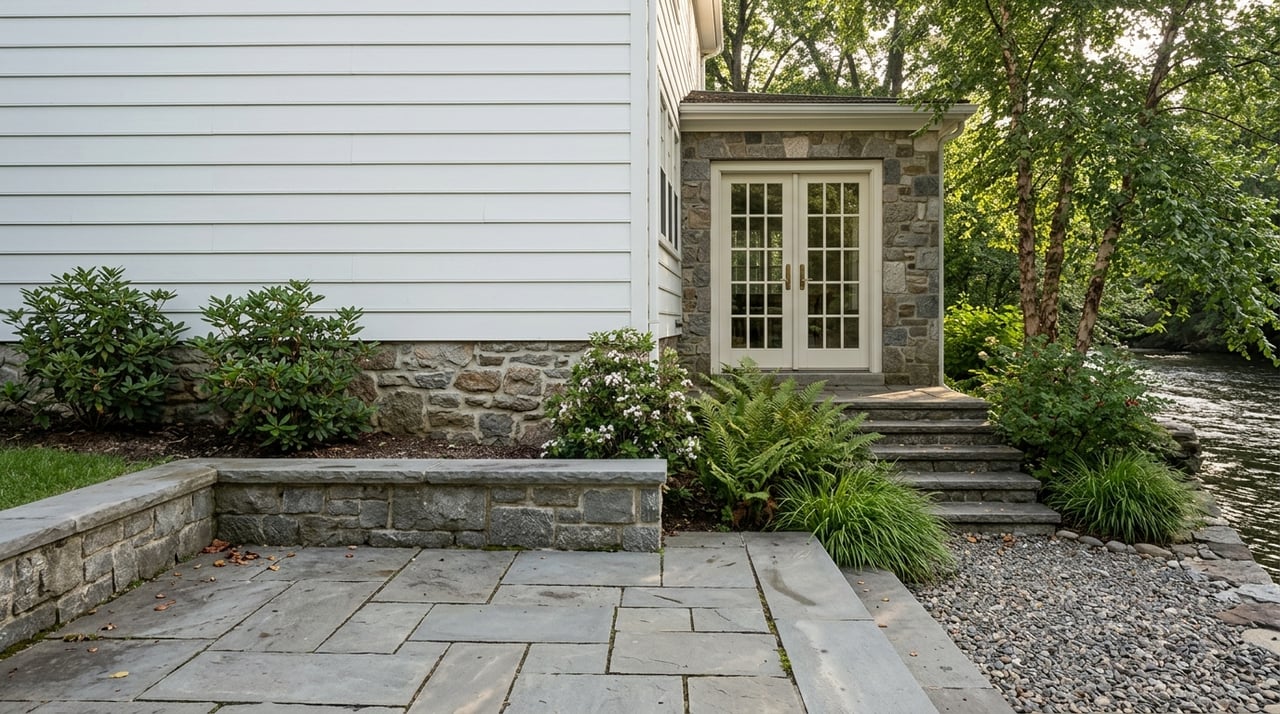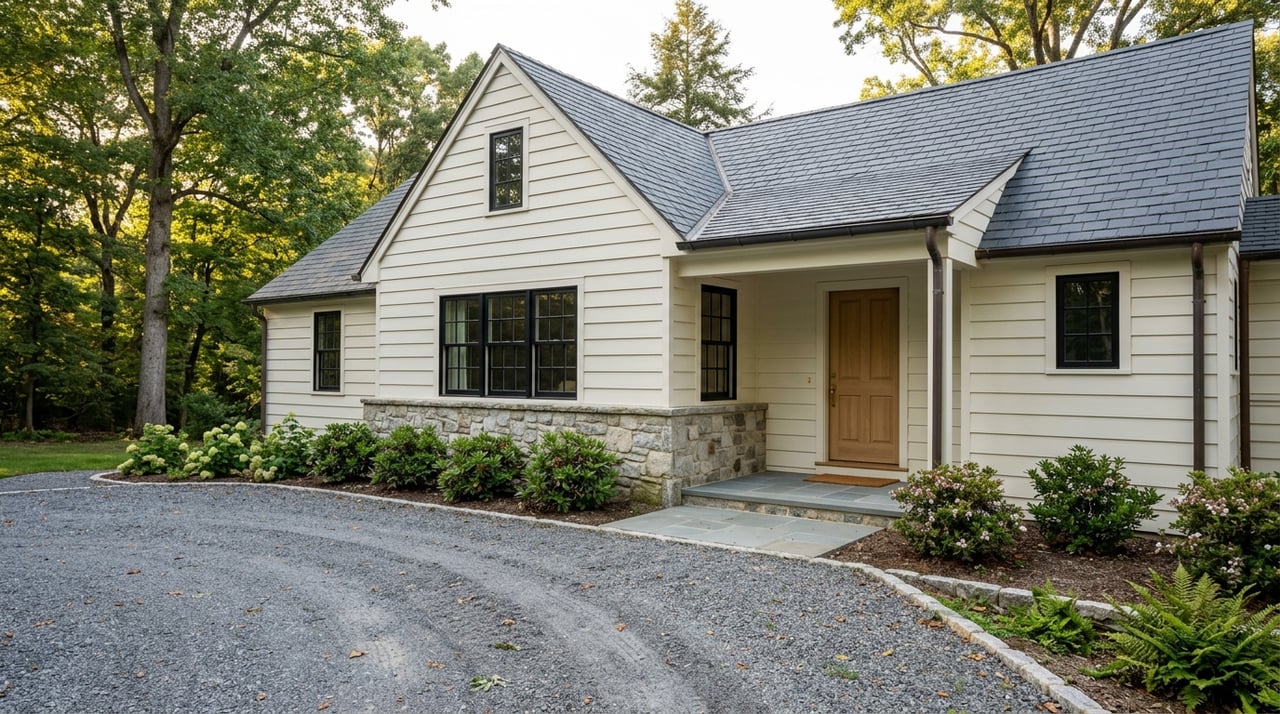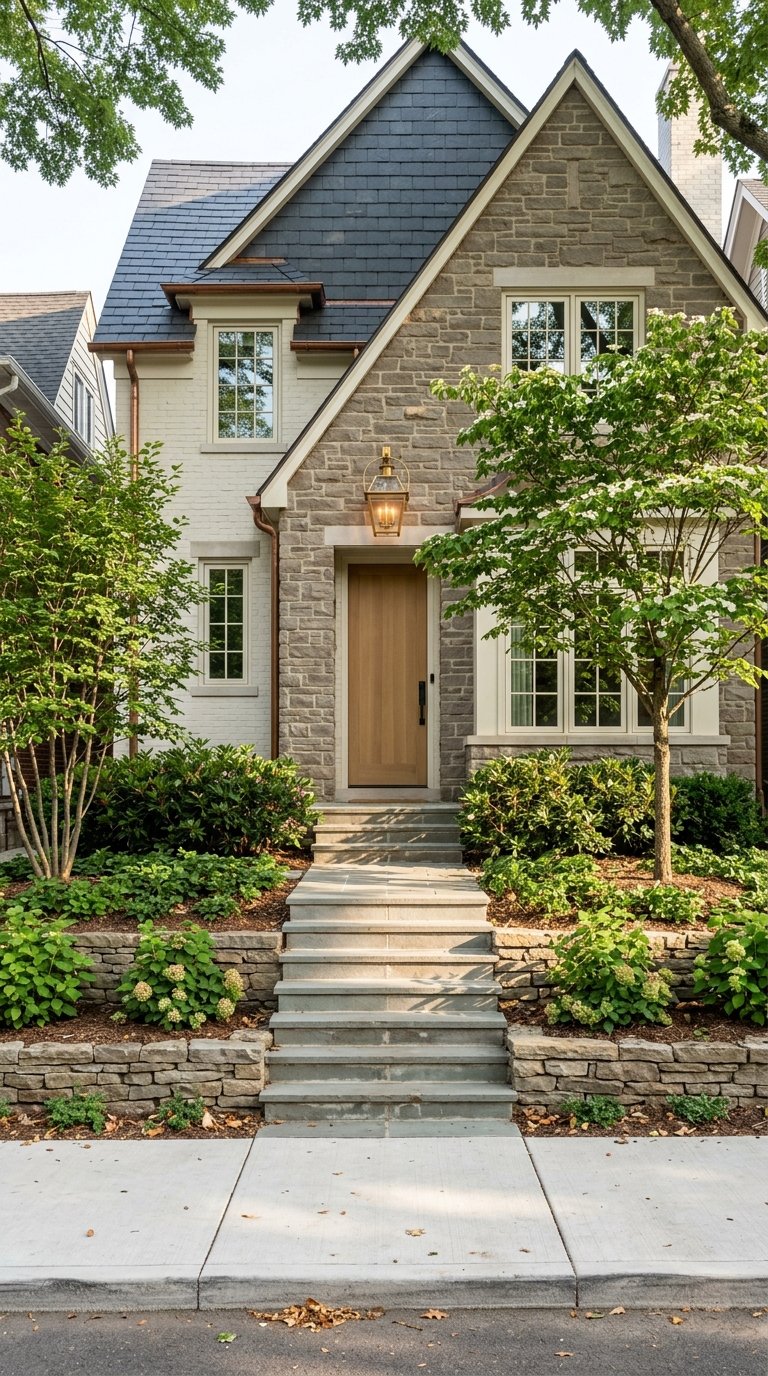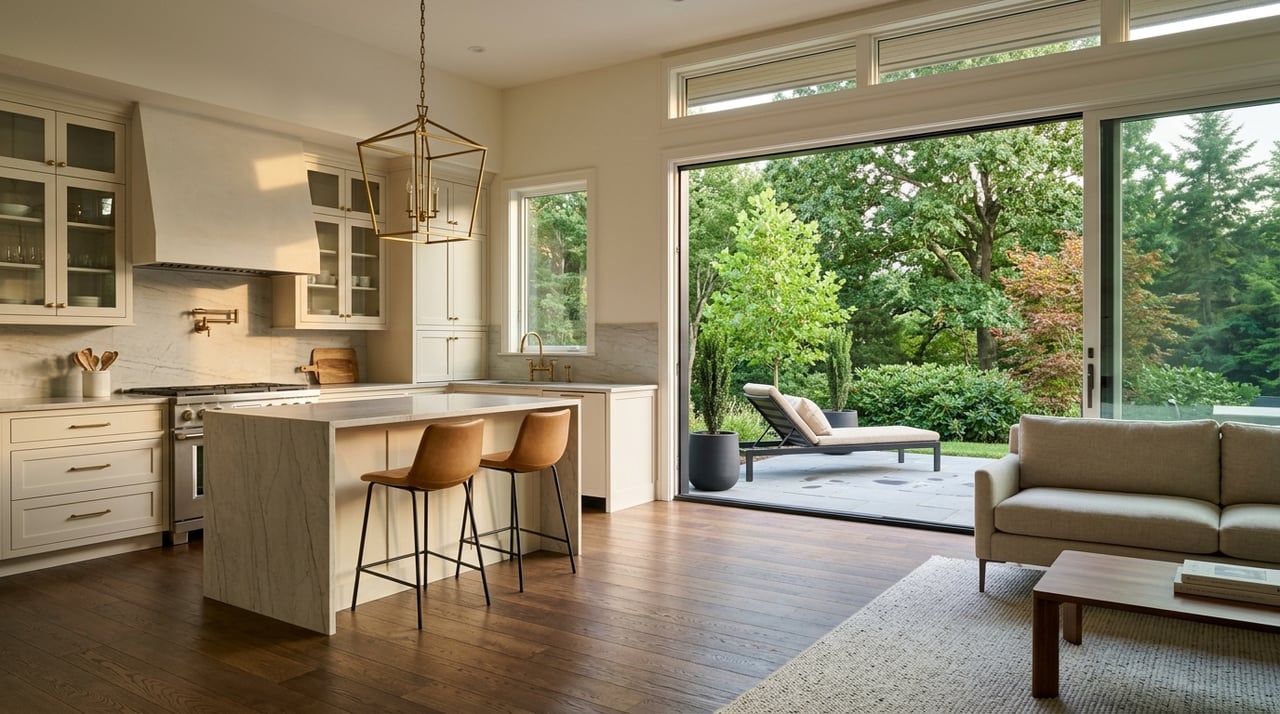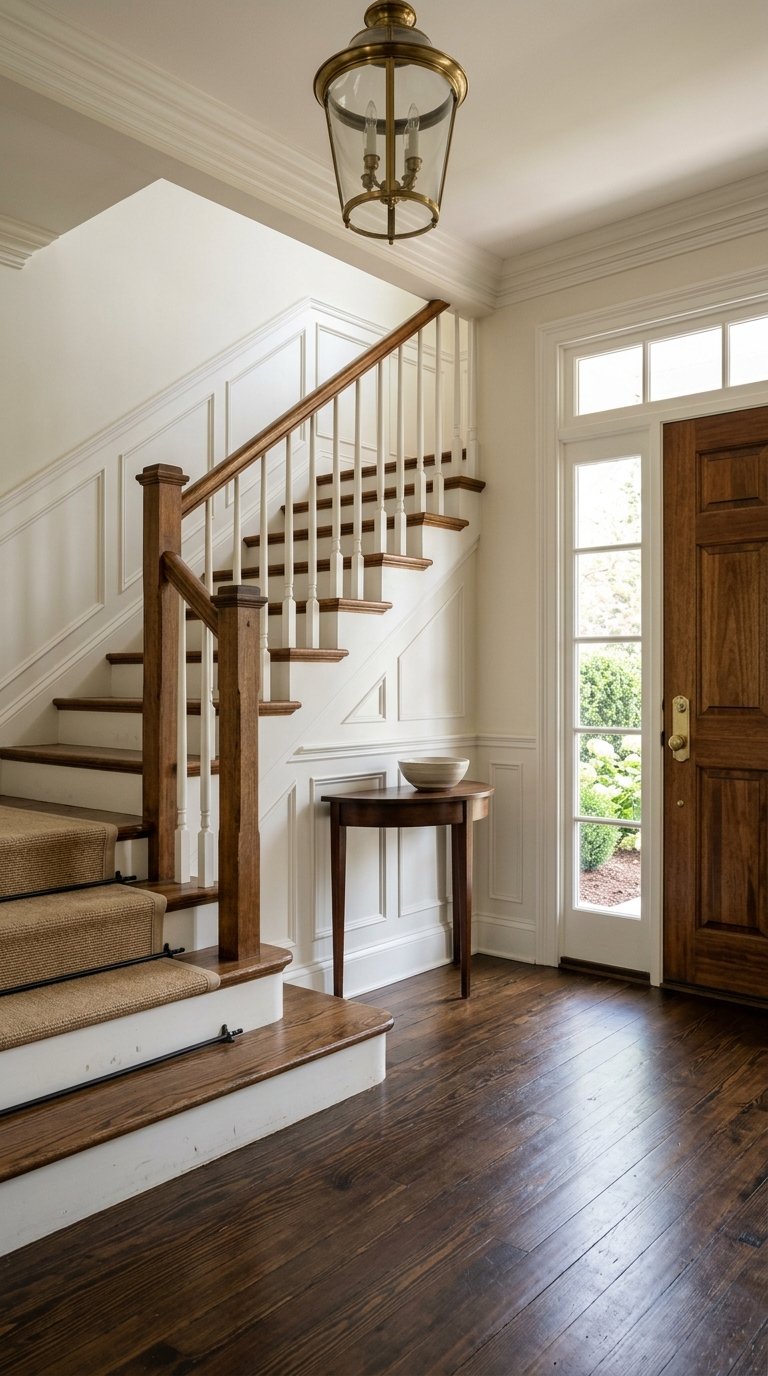
If you own a historic home in Hendersonville, getting it ready for market is not the same as prepping a newer property. Buyers are often drawn to original details, period character, and a sense of place, but they also notice deferred maintenance, awkward updates, and changes that do not fit the home’s architecture. The good news is that with the right plan, you can protect what makes your home special while presenting it in a way that feels polished and market-ready. Let’s dive in.
Why prep matters in Hendersonville
In Hendersonville, thoughtful preparation can have a real impact on your result. According to the January 2026 Hendersonville market update, the median sales price was $435,000, average sales price was $503,134, days on market were 94, and the average list-to-close timeline was 141 days. The same report showed homes received 89.4 percent of original list price on average.
That tells you something important. Even in a market with a 3.6-month supply of inventory and fewer new listings year over year, presentation and pricing still matter. For a historic home, the way you handle repairs, updates, staging, and marketing can shape both buyer interest and your final outcome.
The city also makes a strong case for preservation. Hendersonville notes that historic properties help stabilize and increase property values and strengthen the local economy, which supports a preservation-minded approach before you sell. You can learn more on the city’s historic preservation page.
Start with district and landmark status
Before you schedule exterior work, find out whether your home is in a local historic district or is a locally designated landmark. In Hendersonville, Druid Hills, Hyman Heights, and Main Street are local historic districts, and exterior changes in those areas may require review before work begins.
This step matters because work that seems simple can trigger a different approval path if it changes the home’s exterior appearance or site. The city’s historic-preservation resources and maps can help you verify where your property falls.
Know when you may need a COA
If your home is in a local historic district or is a local landmark, Hendersonville’s Certificate of Appropriateness process is the key checkpoint. In general, exterior alterations, restoration, moving, demolition, and significant site changes may require approval before work starts.
That does not mean every pre-listing project is complicated. The city clearly separates normal maintenance from regulated work, which is helpful if your goal is to improve appearance without changing historic character.
Maintenance that usually does not need a COA
Hendersonville lists several types of ordinary maintenance that typically do not require a COA if the appearance is not changed, including:
- Painting
- Window-glass replacement without changing the window style or type
- Caulking
- Weather-stripping
- Minor landscaping
- Matched repairs to siding, trim, roof coverings, porch flooring, steps, and gutters
For many sellers, these are exactly the right first moves. They make the property feel cared for, help reduce buyer objections, and preserve the look that gives the home its value.
Changes that need more caution
The city treats larger projects differently. Major works can include additions, demolition, new accessory buildings, parking lots, roof-line changes, and replacing architectural details with different designs or materials.
If you are considering a bigger exterior project before listing, check first. A rushed update that conflicts with local guidelines can create delays, extra cost, and a final result that feels less authentic to buyers.
Repair before you replace
Historic-home buyers usually respond best to authenticity. That is also consistent with the National Park Service rehabilitation approach, which emphasizes preserving historic significance through original materials and features whenever possible.
In practical terms, the rule of thumb is simple: repair before replacement. When replacement is truly necessary, the new element should match the old in design, color, texture, and, where possible, materials.
This mindset can guide nearly every pre-listing decision. Instead of swapping out old materials for something trendy, focus on making original features look clean, sound, and well maintained.
Give windows special attention
Windows are one of the most visible and character-defining parts of a historic home. According to the National Park Service guidance on historic windows, repair is preferred whenever possible, and if replacement is needed, the new windows should be compatible with the historic character and fit the original openings.
Hendersonville’s local guidance aligns with that approach. Window-glass replacement is considered ordinary maintenance only if the style or type of window is not changed. If your windows are drafty or worn, a thoughtful repair strategy is usually a stronger move than an obvious replacement that changes the home’s appearance.
Focus on the most market-friendly repairs
When you are preparing a historic Hendersonville home for sale, the best improvements are often the least flashy. Buyers want a home that feels preserved, functional, and well cared for.
A smart pre-listing punch list often includes:
- Paint touch-ups where finish is peeling or tired
- Caulking and weather-stripping
- Roof and gutter repairs using matched materials where possible
- Porch and step repairs
- Siding and trim repairs that match the original look
- Clean, restrained landscape cleanup
These projects support curb appeal without stripping away period charm. They also fit neatly within the kind of maintenance Hendersonville already recognizes as ordinary in local historic districts.
Be careful with efficiency updates
Many sellers want to improve comfort and energy performance before going to market, and that can make sense. Hendersonville’s residential design guidelines include utilities and energy retrofit, which shows that upgrades can be planned within a preservation framework.
The key is to avoid visually disruptive choices. New materials or details that weaken the home’s period character can reduce the very appeal that makes a historic property stand out. If you are making improvements, aim for solutions that support function while keeping the original visual story intact.
Document any rehabilitation work
If you have completed qualifying rehabilitation work or think tax credits may be relevant to your property, documentation is worth organizing before you list. North Carolina’s current owner-occupied historic rehabilitation tax credit fact sheet says eligible homeowners may receive a 15 percent state tax credit for qualified rehabilitation of owner-occupied residential properties, subject to specific rules.
The same fact sheet explains that the property must be listed in the National Register of Historic Places or be a contributing building in a National Register historic district. Eligible rehab expenses must exceed $10,000 within 24 months, qualified expenses are capped at $150,000, and the maximum credit is $22,500.
If this applies to your home, gather:
- Before photos
- Descriptions of existing conditions
- Plans or drawings if used
- After photos of completed work
That paper trail can help support the home’s story and show buyers that improvements were handled thoughtfully.
Understand state and federal credits
Not every historic home qualifies for incentives, and the rules are not the same. North Carolina’s owner-occupied credit may apply to certain private residences, but the federal 20 percent rehabilitation tax credit applies only to income-producing properties.
If your home is owner-occupied, that federal credit does not apply. That distinction is important if you plan to mention incentives in your listing strategy or conversations with buyers.
Stage to highlight historic character
Historic homes photograph and show best when the presentation supports their architecture instead of competing with it. That usually means editing furniture, simplifying decor, and letting original features lead.
In Hendersonville, that could include details tied to styles identified on the city’s architectural styles page, such as Queen Anne, Colonial Revival, Bungalow, Tudor Revival, Four Square, Dutch Colonial, Spanish Eclectic, Minimal Traditional, or Ranch. Naming those features accurately can make your listing feel more credible and specific.
Focus your staging on the things buyers cannot easily recreate, such as:
- Deep front porches
- Millwork and trim
- Fireplaces
- Original floors
- Window proportions
- Staircases
- Ceiling height
- The connection between the house and its lot or streetscape
This is also backed by buyer behavior. The 2025 NAR staging report found that 83 percent of buyers’ agents said staging made it easier for buyers to visualize a property as a future home.
Use photography that tells the whole story
Strong visuals matter for any listing, but they are especially important for historic homes because so much of the value is emotional and architectural. The same NAR staging report also noted the importance of listing photos, physical staging, videos, and virtual tours.
For a historic Hendersonville property, the photo plan should usually include:
- Front elevation
- Porch details
- Key original interior features
- Main living spaces
- Fireplaces, staircases, and millwork
- Rear yard and gardens
- Site features that show setting and scale
If the lot, garden, or streetscape is part of the appeal, aerial imagery can add context. NAR notes that drone photography can help showcase landscape, outdoor features, and location.
Add story without overselling
Historic homes benefit from thoughtful storytelling. Hendersonville’s Neighborhood History Project reflects how much local value is placed on stories, photographs, landmarks, and oral histories.
For your listing, that does not mean turning the description into a history lecture. It means creating a concise narrative that helps buyers understand what makes the property distinctive. A brief restoration timeline, an older photograph, or a few lines about architectural style can give the home more presence online and in print.
A simple pre-listing plan
If you want a practical path forward, this sequence makes sense for most historic sellers in Hendersonville:
- Verify whether the home is in a local historic district or is a local landmark.
- Identify any COA needs before starting exterior work.
- Prioritize maintenance and repairs that preserve original materials and appearance.
- Document any rehabilitation work and supporting photos.
- Stage the home to highlight character-defining features.
- Use high-quality photography and, when helpful, video or drone imagery.
- Build a listing story around architecture, craftsmanship, and setting.
That approach respects Hendersonville’s preservation framework while helping your home show at its best.
Selling a historic property well takes restraint, taste, and a clear understanding of what buyers value. The goal is not to make your home feel new. It is to make it feel beautifully preserved, well cared for, and ready for its next chapter. If you are preparing a distinctive Hendersonville property for sale and want design-led guidance, curated marketing, and elevated presentation, connect with Kim Gentry Justus at Christie's International Real Estate.
FAQs
Do historic Hendersonville homes need a COA before listing repairs?
- If your home is in a local historic district or is a local landmark, exterior changes or site changes may require a Certificate of Appropriateness before work begins, so it is wise to check with the city first.
Can you replace windows in a historic Hendersonville home?
- Repair is generally preferred first, and if replacement is necessary, the new windows should fit the original openings and remain compatible with the home’s historic character.
What repairs are safest before selling a historic Hendersonville home?
- Paint touch-ups, caulking, weather-stripping, matched repairs to trim, siding, roofing, gutters, porches, and minor landscape cleanup are often the most practical pre-listing projects.
Are all historic Hendersonville homes eligible for tax credits?
- No. North Carolina’s owner-occupied credit and the federal rehabilitation credit have different eligibility rules, and the federal credit does not apply to owner-occupied private residences.
What should you photograph for a historic Hendersonville listing?
- Prioritize the front elevation, porch, original details, main interior rooms, fireplaces, floors, staircases, rear yard, and site features that show the home’s setting and character.