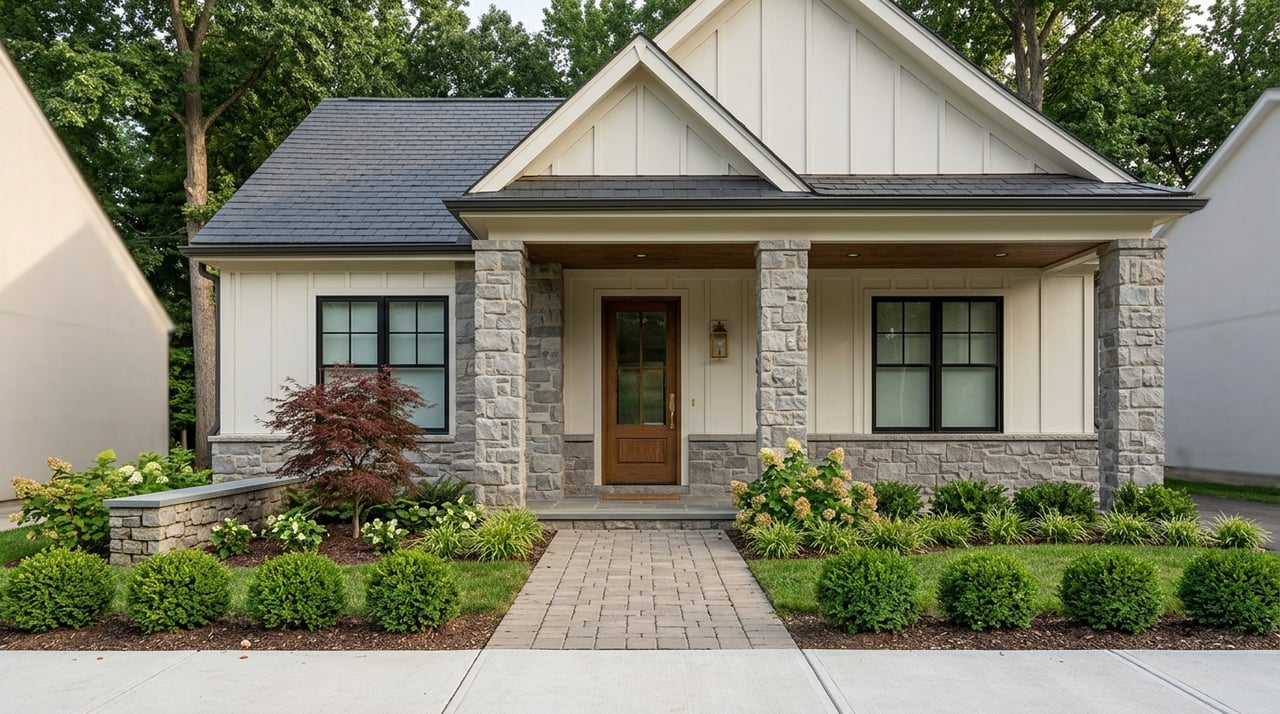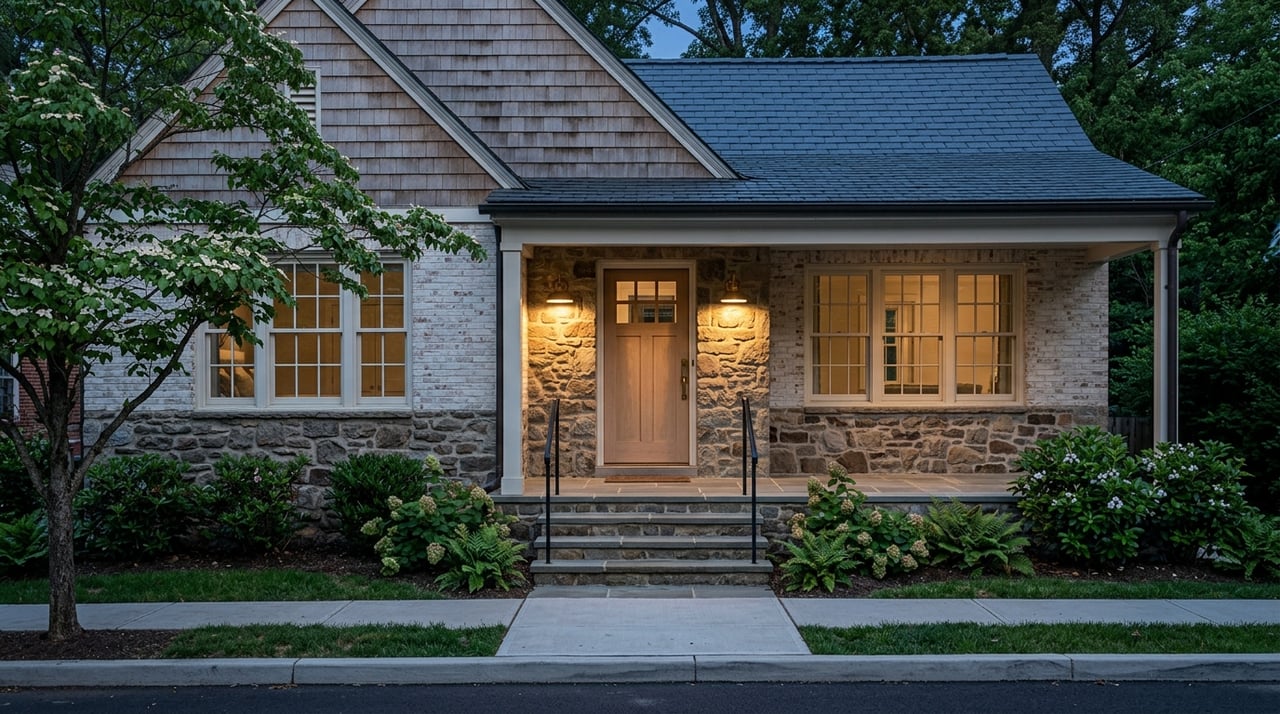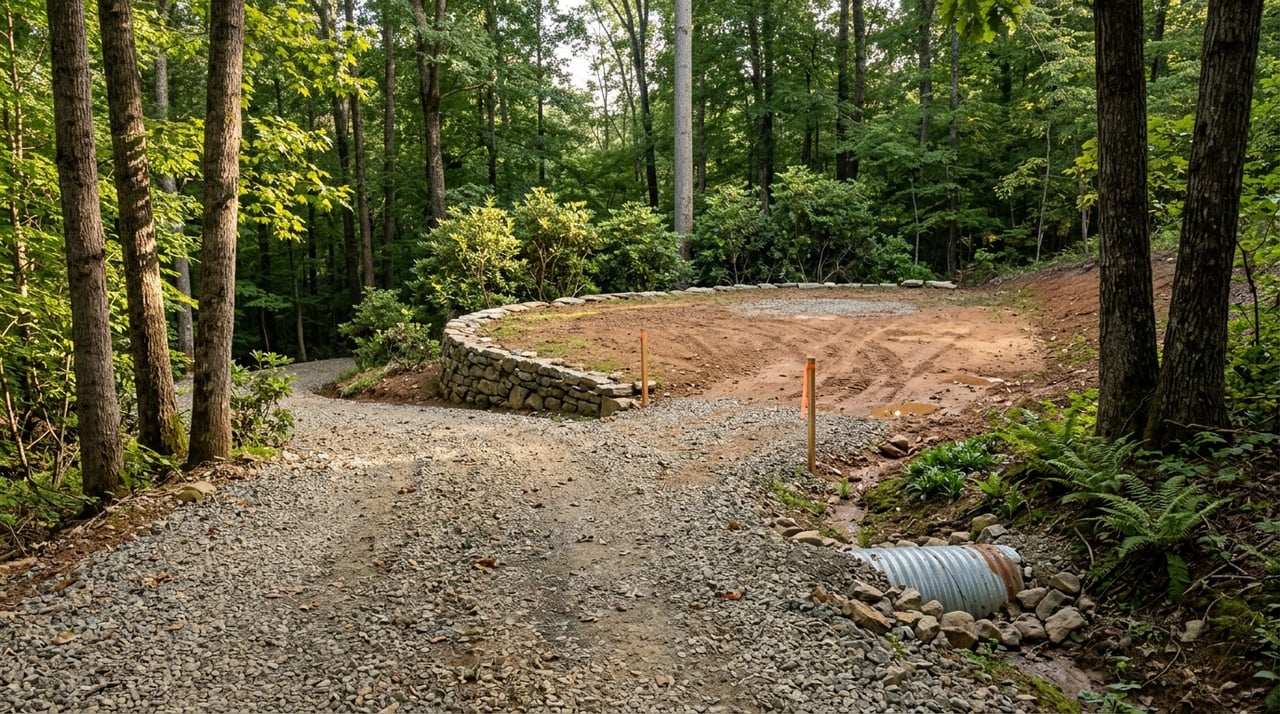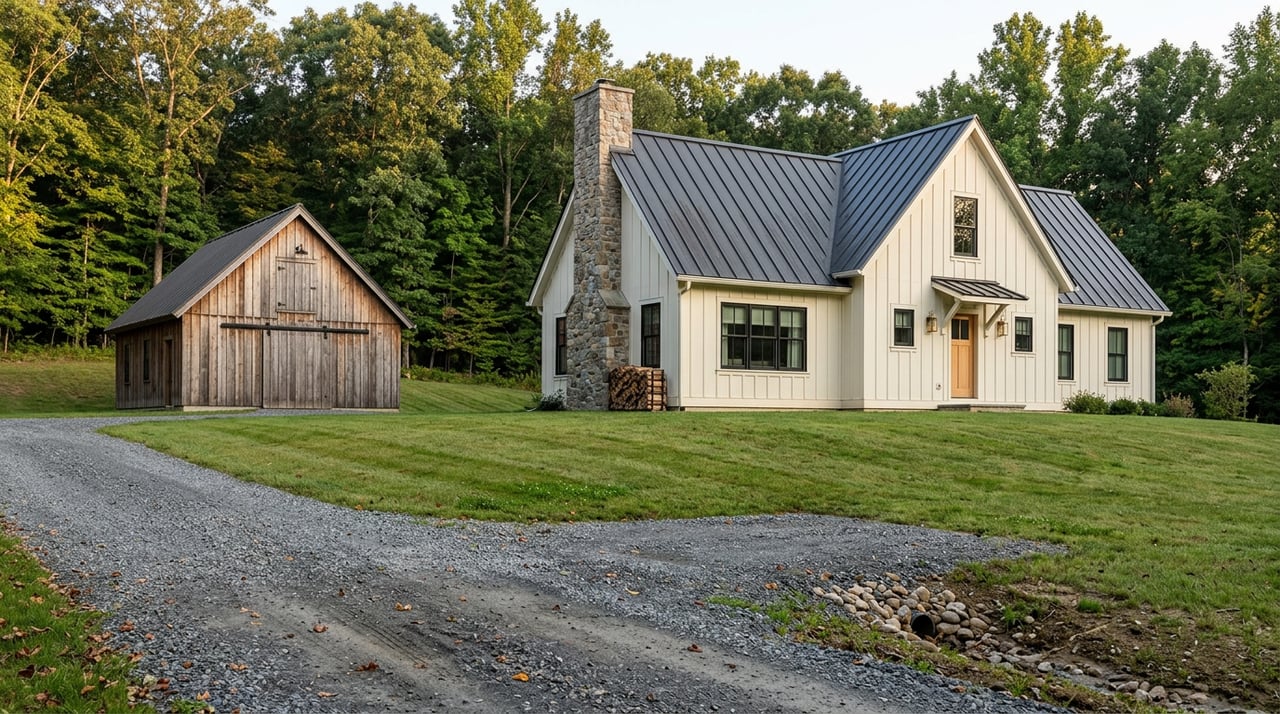
Dreaming of a few acres for gardens, a barn, and long-range views without giving up an easy drive into Asheville? Candler often checks those boxes, with rolling valley land, wooded hillsides, and quick access to I‑40 and US‑19/23. If you are considering a mini‑farm or a private retreat here, a clear plan will save you time, money, and stress. This guide gives you a practical checklist, local rules to know, and a simple path from first look to closing. Let’s dive in.
Why Candler works for land and mini-farms
Candler sits in Hominy Valley, west of Asheville, with straightforward highway access and a relaxed, rural feel. You can reach city services and markets while enjoying more space and privacy. For many buyers, that blend of convenience and elbow room is the draw. If you are new to the area, take a quick look at Candler’s location and connections to Asheville on a map of the community to understand commute routes and services nearby (see Candler’s location and roads).
The terrain spans valley floors in the low‑to‑mid 2,000‑foot range, with steeper hillsides as you climb toward Mount Pisgah and the Blue Ridge Parkway. That change in elevation matters for permitting, road design, and build costs. In Buncombe County, higher elevations and steeper slopes can trigger special review standards, which we cover below.
Before you fall in love: the quick-check list
Use this shortlist during your first pass on any parcel. It will help you separate great candidates from costly surprises.
- Zoning and overlays. Confirm the underlying zoning district and whether the parcel touches a steep‑slope, high‑elevation, or protected ridge overlay. These layers affect density, disturbance, height, and setbacks. Start with the county’s zoning code for what is allowed and how it is measured (review the zoning ordinance) and use county GIS to see parcel‑specific layers (open Buncombe County GIS).
- Legal access and road maintenance. You need recorded, deeded access. If any approach is private, ask for the road maintenance agreement and understand who pays and how decisions are made. County subdivision standards also reference emergency access and Fire Marshal review for roads serving multiple lots (see subdivision and road standards).
- Driveway connections to state roads. If your driveway will connect to a state‑maintained road, a permit from NCDOT may be required before construction. Work in state right‑of‑way without approval can lead to removal or delays (check NCDOT driveway rules).
- Septic feasibility. Most rural parcels rely on on‑site wastewater systems. Soil depth, slope, and rock can limit conventional drainfields, and engineered systems raise costs. A county site evaluation and Improvement Permit are the gold standard for feasibility (start with Environmental Health).
- Water and well testing. If public water is not available, plan for a private well and testing. The county permits wells and outlines testing for bacteria and nitrate; expanded panels can make sense based on local geology and land use (see well and septic permitting).
- Slope, flood, and stability. Use county GIS to screen flood zones, steep slopes, and potential stability concerns. Hillside standards can add geotechnical and stormwater requirements on steeper tracts (read hillside and subdivision guidance).
- Utilities and build logistics. Confirm the status of power, propane, fiber or cable, and suitable homesites relative to well and septic setbacks. Map out how you would place a house, driveway, barn, and pasture before you get attached.
If a parcel clears these checks, you can move forward with deeper due diligence and scheduling.
Zoning, overlays, and mini-farm realities in Candler
Buncombe County regulates land use through zoning districts and several special overlays that matter for mini‑farms and homesteads. Always pull a parcel’s current zoning and check for overlays before you plan buildings, pasture, or driveways (download the zoning ordinance).
- Steep Slope and High Elevation Overlay. Portions of Candler rise into areas where the county limits density and disturbance. On mapped steep slopes and at or above roughly 2,500 feet, you can see stricter lot size minimums, caps on graded area, and geotechnical review for slopes over certain thresholds. That can shrink usable building or pasture area.
- Protected Ridge Overlay. Building height and disturbance can be limited on skyline ridges to protect views. If any part of the parcel touches a protected ridge, expect tighter standards.
- Hillside and subdivision rules. If the average natural slope is 25 percent or more, hillside subdivision standards may apply. New private roads on steep land must meet design, drainage, and emergency access criteria, which can affect build costs and timelines (see subdivision and hillside standards).
- Conservation development. On larger tracts, clustered building sites with preserved open space can be a practical path that keeps more land in pasture or forest while meeting code. Ask how conservation design might fit your goals.
The bottom line: overlays do not end a project, but they shape what and where you can build. Early mapping and a clear site plan will keep your mini‑farm vision realistic.
Roads and legal access: what to confirm
Access is everything on rural and view parcels. Lenders and insurers look closely at recorded access and road condition, and so should you.
- Recorded easements. Verify that your access is deeded and perpetual. A driveway over a neighbor’s land without a recorded easement is a red flag.
- Private road agreements. Get the written road maintenance agreement if a private road serves your parcel. Look for who pays, how decisions are made, and whether there is a reserve. Gaps here can cause lender pushback and future disputes (review county standards that reference maintenance plans and emergency access).
- State road connections. If your entrance ties into a state road, confirm whether you need an NCDOT driveway permit so you do not face delays later (check NCDOT driveway rules).
Good access supports appraisals, keeps emergency vehicles moving, and makes long‑term ownership smoother.
Septic, soils, and wells: your due diligence path
For most Candler acreage, on‑site septic and a private well are part of the plan. The right sequence protects your deposit and your build timeline.
- Start with records. Ask the seller for any prior septic permits, as‑built drainfield maps, or well test results. If there are no records, plan for an existing‑system inspection or a new site evaluation (contact Environmental Health).
- Order a site evaluation early. Before you risk non‑refundable funds on raw land, schedule a county soil/site evaluation to pursue an Improvement Permit. It shows the parcel is suitable for a septic system if conditions stay the same and is a buyer‑friendly milestone (learn the permitting steps).
- Plan for engineered options on tricky sites. Steep slopes, thin soils, and shallow rock can rule out a conventional drainfield. Buncombe allows engineered and alternative systems, but they add cost and time. Coordinate estimates with a septic designer once the county flags constraints.
- Test your well wisely. Standard tests include total coliform bacteria and nitrate. In the Blue Ridge, natural groundwater chemistry can include trace elements such as arsenic, manganese, or uranium at elevated levels, which is a reason to consider an expanded panel for new wells (read USGS guidance on trace elements). Your permit and testing questions start with the county’s Environmental Health team, and the state’s On‑Site Water Protection program provides homeowner guidance on septic and wells (see the state’s OSWP resources).
- Map setbacks early. As you sketch a home, barn, and pasture, account for well and septic setbacks, stream buffers, and room for a repair area. This saves redesigns later and helps you place fences and hardscapes smartly.
Timelines and permits: what to expect
Every parcel is different, but this general sequence applies to most Candler acreage purchases.
- Preliminary screening, 3 to 14 days. Use county GIS, Environmental Health records, and a title/easement check to flag overlays, access, and prior permits (start with Buncombe GIS).
- Septic site evaluation and Improvement Permit, weeks to months. County scheduling and site complexity drive timing. An Improvement Permit documents suitability for on‑site wastewater if conditions remain unchanged (see Environmental Health steps).
- Authorization to Construct and parallel approvals. Once septic is feasible, apply for Authorization to Construct to unlock building permits. In parallel, pursue any NCDOT driveway permit and subdivision reviews needed. Engineered systems and hillside standards can lengthen the path (review subdivision and hillside information).
Build in buffer time if your parcel includes steep slopes or new private roads. Early coordination with the right pros keeps surprises to a minimum.
How Candler compares to nearby options
Several west‑of‑Asheville communities attract acreage buyers. Here is a simple way to gauge whether Candler fits your priorities.
- The commuter-homesteader. If you want a small farm or garden with a short hop to Asheville, Candler’s direct access to I‑40 and US‑19/23 is a strong plus (check local routes).
- The weekend mini-farmer. If you plan to visit on weekends, focus on parcels with proven access, clear build sites, and existing utilities. Candler offers a mix of valley settings for easy pasture and wooded knolls for privacy.
- The deep-country buyer. If you want higher elevation and ridge views, expect overlays and hillside standards to shape your buildable area and disturbance limits. Reviewing overlays in the zoning code and mapping them in county GIS helps you compare options parcel by parcel (use Buncombe GIS and the zoning ordinance).
Also note that public water and sewer are not universal. Much of Buncombe County remains on wells and septic, so plan your site accordingly. If farmland preservation or working‑lands stewardship is part of your vision, explore the county’s Farmland Preservation Program for context and resources (learn about preservation options).
How a land-savvy broker accelerates the process
Buying land is part technical and part strategic. The right partner makes both easier. A land‑focused broker should:
- Pull parcel layers in county GIS and the official zoning map to confirm overlays, flood, slope, and setbacks (start with Buncombe GIS and the zoning ordinance).
- Obtain Environmental Health records for septic and wells, and confirm whether an Improvement Permit exists or an existing system has been inspected (coordinate with Environmental Health).
- Verify a survey, legal access, and recorded easements; collect any private road maintenance agreements that lenders expect (see subdivision standards that reference access and maintenance).
- Coordinate early calls with a septic designer and a licensed well driller to scope feasibility and rough costs, including the Engineered Option where appropriate (permit info and contacts).
- Start any needed NCDOT driveway permit inquiry once you have a concept for entrance location (NCDOT driveway rules).
- Connect livestock‑minded buyers to local conservation and working‑lands resources, including the county’s Farmland Preservation Program (program overview).
Ready to walk land in Candler with a clear plan? Reach out for a private, step‑by‑step consultation tailored to your goals. You will get curated parcel picks, early permitting checks, and a realistic path from offer to build. Start your conversation with Kim Gentry Justus at Christie’s International Real Estate.
FAQs
What permits do I need to build on Candler acreage?
- You will typically need a septic Improvement Permit and later an Authorization to Construct from Buncombe Environmental Health, plus any NCDOT driveway permit if you connect to a state road, before pursuing building permits.
How do Buncombe County overlays affect a mini-farm on sloped land?
- Steep‑slope, high‑elevation, and protected ridge overlays can limit density, building height, and the amount of land you can disturb, which reduces where you can place a house, barn, and pasture.
How can I verify legal access and road maintenance before I buy?
- Confirm a recorded, perpetual access easement in the title and request any private road maintenance agreement that explains who pays and how decisions are made, since lenders often require this.
What is an Improvement Permit in Buncombe County?
- It is the county’s written confirmation that a site is suitable for a septic system if conditions do not change, and it is a key milestone for raw land purchases.
Should I test a new well for more than bacteria and nitrate?
- Yes, consider an expanded panel that can include metals and other parameters, since Blue Ridge geology can naturally carry trace elements like arsenic or manganese at elevated levels.
How long does septic and well permitting usually take?
- Expect several weeks to a few months for septic site evaluations depending on schedules and site complexity, with additional time if engineered systems or hillside standards apply.