Craving a mountain retreat that is beautiful, practical, and easy to reach? If you are eyeing western North Carolina for a second home, Waynesville might already be on your list. You want four-season charm, strong access, and clear rules for renting or simply locking and leaving. This guide gives you the local facts you need to decide with confidence. Let’s dive in.
Waynesville at a glance
Waynesville sits at about 2,713 feet in the southern Blue Ridge Mountains and is the county seat of Haywood County. The town’s state-certified population is about 10,663 as of July 2024. You can expect a temperate, four-season climate with an average annual temperature around 54.1°F, about 12.2 inches of snowfall, and roughly 47.5 inches of rainfall each year. Inside town limits, municipal water and sewer are common, while many properties outside town rely on private wells and septic systems. You can confirm utilities and review town context on the town’s official page for about Waynesville.
Location and access
You can reach Asheville Regional Airport in about 40 to 60 minutes, roughly 35 to 40 miles by car depending on route and traffic, which helps weekend trips feel easy. See the drive-time snapshot from Travelmath’s Waynesville-to-AVL page. Waynesville also acts as a gateway to the Blue Ridge Parkway, with quick access to scenic overlooks and hiking. The National Park Service posts seasonal maintenance and travel notices for the Parkway, which can affect plans during repairs or winter weather; you can review updates on the Blue Ridge Parkway news page.
Four-season living
Spring: Quiet to lively
Spring brings wildflowers on higher ridges and a gradual uptick in visitors. Midweek can be quiet, which makes it a pleasant time for owner visits and contractor work. If you are lining up projects, spring often offers good windows before summer demand builds. Check the NPS updates for any Parkway work that could affect scenic drives.
Summer: Cool and active
Summer stays cooler than many lowland cities, which draws steady visitors for hiking, fishing, and downtown browsing. Local businesses tend to run full hours. If you plan to rent, this season typically delivers consistent bookings. Book popular activities and dining ahead on peak weekends.
Fall: Peak leaf season
Fall color drives the region’s highest visitation, typically mid to late October in this area, with higher elevations peaking earlier. Expect heavier traffic near popular overlooks and strong short-term rental demand around peak weeks. Keep an eye on Parkway advisories for weather or repair-related closures. The NPS shares Parkway travel reminders each year.
Winter: Quiet, with planning
Winter is calmer outside the holidays. Snow and ice can affect remote driveways and certain mountain roads, and the Parkway may close by section for weather or repairs. If you will be away, plan for winterization to protect plumbing and finishes. A local manager or vendor list is helpful for periodic checks.
What you will find on the market
Multiple data trackers place recent Waynesville sale medians from roughly the low to mid 300s to the low 400s, depending on the time frame and whether you are looking in town or the broader area. Use these figures as a bracket rather than a single number and confirm current stats when you start your search. Smaller cottages and simple 1 to 2 bedroom homes often price below the area median, while renovated cabins, view properties, and newer mountain-modern builds command premiums. Ridge-line views, lake adjacency, and ski-proximity influence pricing, as do acreage and privacy.
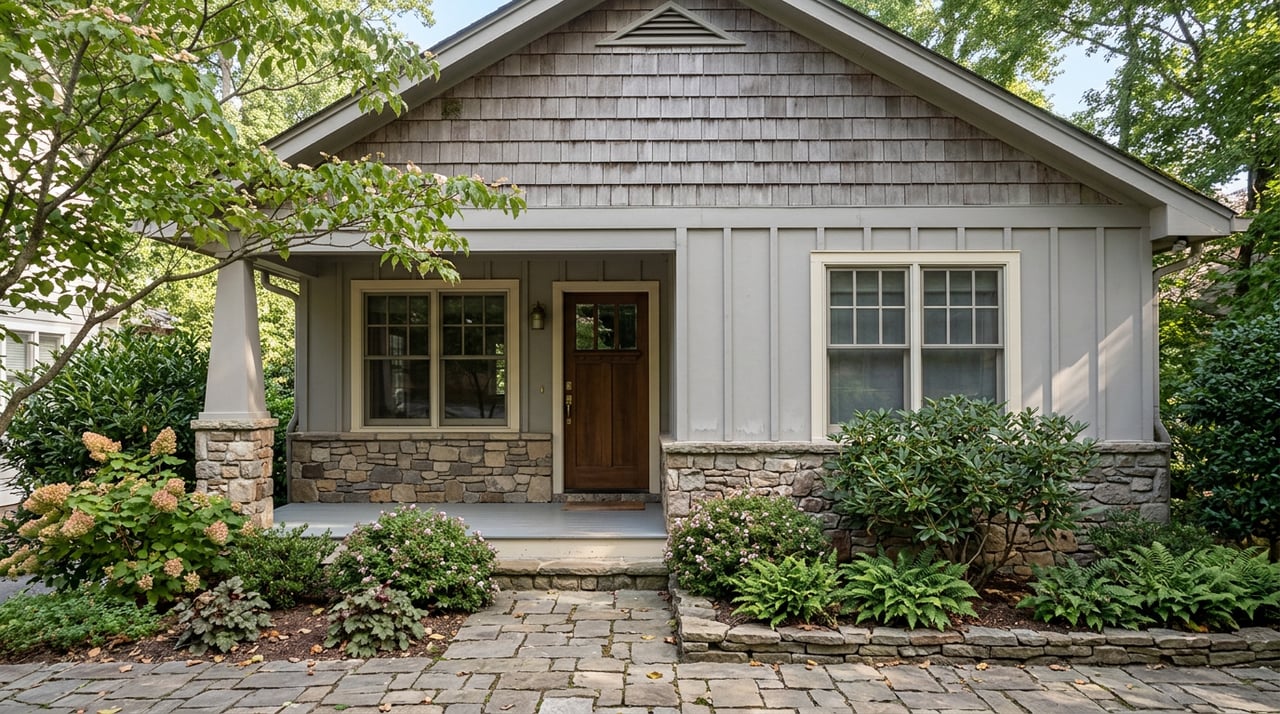
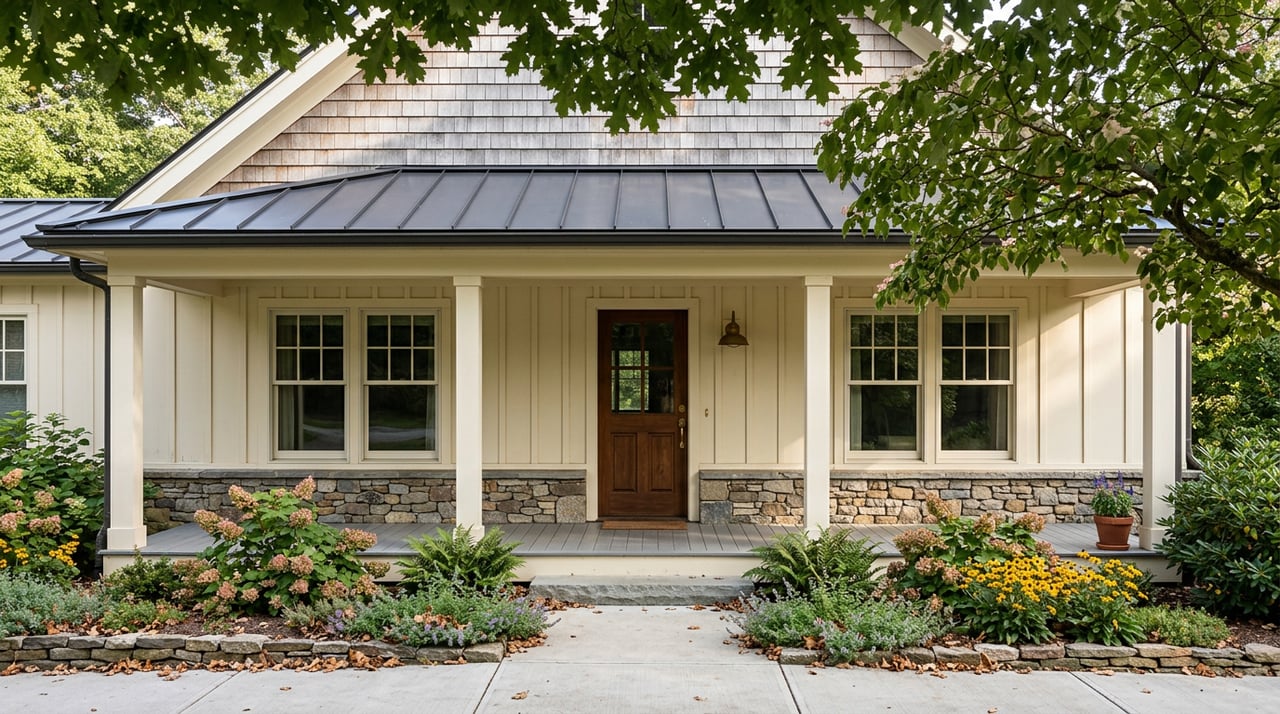
Common styles include classic mountain cabins, log homes with big decks, craftsman-era bungalows near town, and newer modern mountain designs. If design is a priority, you will find opportunities to refresh kitchens, baths, and outdoor living for better rental appeal and personal enjoyment.
Renting your second home
Occupancy tax and registration
Owners who rent overnight stays must register and remit Haywood County’s 4 percent occupancy tax. Some platforms may handle parts of tax collection, but county registration is typically your responsibility. See the county’s overview on the Haywood TDA occupancy tax page.
Property taxes
Budget for both county and, if inside town limits, municipal taxes. Haywood County’s published 2023–2024 rate is $0.55 per $100 valuation. Waynesville lists an additional 47.9 cents per $100 for FY 2024. Confirm current rates before closing on the county’s tax information page.
Short-term rental rules
Waynesville has been studying a formal framework for short-term rentals. Drafts under discussion have addressed topics like permits, parking, occupancy limits, and local contacts. Rules can differ inside town limits versus unincorporated Haywood County, so confirm the latest status with the town and county before you buy. Local reporting summarizes the town’s review process in this update on STR regulations under study.
Insurance trends
If you plan to carry a dwelling or rental policy, be aware of statewide rate pressure. A 2025 filing proposed significant average increases for non-owner-occupied dwelling policies, with a 2026 hearing scheduled. Shop multiple carriers and model higher premiums in your budget. See coverage of the proposed increases in this NC insurance rate hearing notice.
Seasonality and demand
Local tourism materials show summer and fall as key demand windows, with quieter midweeks in winter. Expect stronger average daily rates around peak leaf weekends and holidays, and softer occupancy in the off-season. For a feel of recent trends and shoulder-season campaigns, review the TDA’s 2024 Visit Haywood annual report.
Mountain property must-knows
- Utilities vary by location. Inside town, many homes connect to municipal water and sewer. Outside town, wells and septic are common. Confirm connections early with the town’s about Waynesville resources and seller disclosures.
- Septic permits set legal bedroom counts and can limit advertised occupancy for rentals. Haywood County Environmental Health oversees septic and well rules. Review permits and inspection history on the county’s Septic and Wastewater page.
- Winter access matters. Plan for snow and ice on steeper drives. The NPS shares seasonal Parkway advisories that can affect visitor flow and some rental bookings.
Quick buyer checklist
- Verify if the property is inside town limits or in unincorporated Haywood County. Rules and taxes differ. Start with the town’s about Waynesville page and county resources.
- Confirm utility type: municipal water and sewer or private well and septic. If septic, request the permit and pump-out records, and verify the approved bedroom count on the county septic page.
- Ask for any short-term rental history, including nights rented, parking capacity, and winter access logistics. Review local tourism data, like the TDA’s annual report, for seasonal context.
- Register for occupancy tax before hosting guests, and confirm what your platform remits. See the Haywood TDA occupancy tax overview.
- Price out insurance for both owner-occupied and dwelling or rental coverage. Model higher premiums given statewide rate pressures.
- Build a local vendor list before closing: property manager, HVAC, well and septic, chimney, snow service, and handyman.
- Create a winterization plan that includes water shutoff, a heat setpoint, and an emergency contact who can check the home after storms.
Is Waynesville right for you?
If you want a small-town mountain base with four-season appeal, quick access to the Blue Ridge Parkway, and an airport under an hour away, Waynesville checks important boxes. The climate is comfortable for year-round use, and the market offers a range of styles from simple cottages to view-forward new builds. If you plan to rent, you will navigate occupancy tax and evolving local rules, but the seasonal draw is strong when managed well. With thoughtful prep on utilities, septic, winter access, and insurance, a Waynesville second home can live beautifully and work smoothly.
Ready to explore properties that fit your goals and style? Connect with Kim Gentry Justus at Christie’s International Real Estate for a curated consultation and private previews tailored to how you want to live in the mountains.
FAQs
What makes Waynesville a good second-home spot?
- You get four-season mountain living, Parkway access, and airport convenience, plus a range of home styles and price points that can fit different second-home goals.
How far is Waynesville from Asheville Regional Airport?
- Plan on about 35 to 40 miles and 40 to 60 minutes by car depending on route and traffic, according to Travelmath’s drive-time guide.
Can I legally operate an Airbnb or VRBO in Waynesville?
- Often yes, but rules differ inside town limits versus the county and Waynesville has been studying a formal STR framework, so confirm current rules and registration before you buy using this local update on STR regulations under study.
What taxes apply if I rent my second home?
- Expect North Carolina sales tax and Haywood County’s 4 percent occupancy tax, and register to remit with the TDA as outlined on the occupancy tax page.
What should I check about wells and septic systems?
- Verify utility type, get the septic permit and inspection records, and confirm the legal bedroom count with Haywood County Environmental Health on the Septic and Wastewater page.
Are insurance costs rising for second homes in North Carolina?
- Yes, a 2025 filing proposed substantial increases for non-owner-occupied dwelling policies, so get multiple quotes and budget for possible higher premiums per this hearing notice.