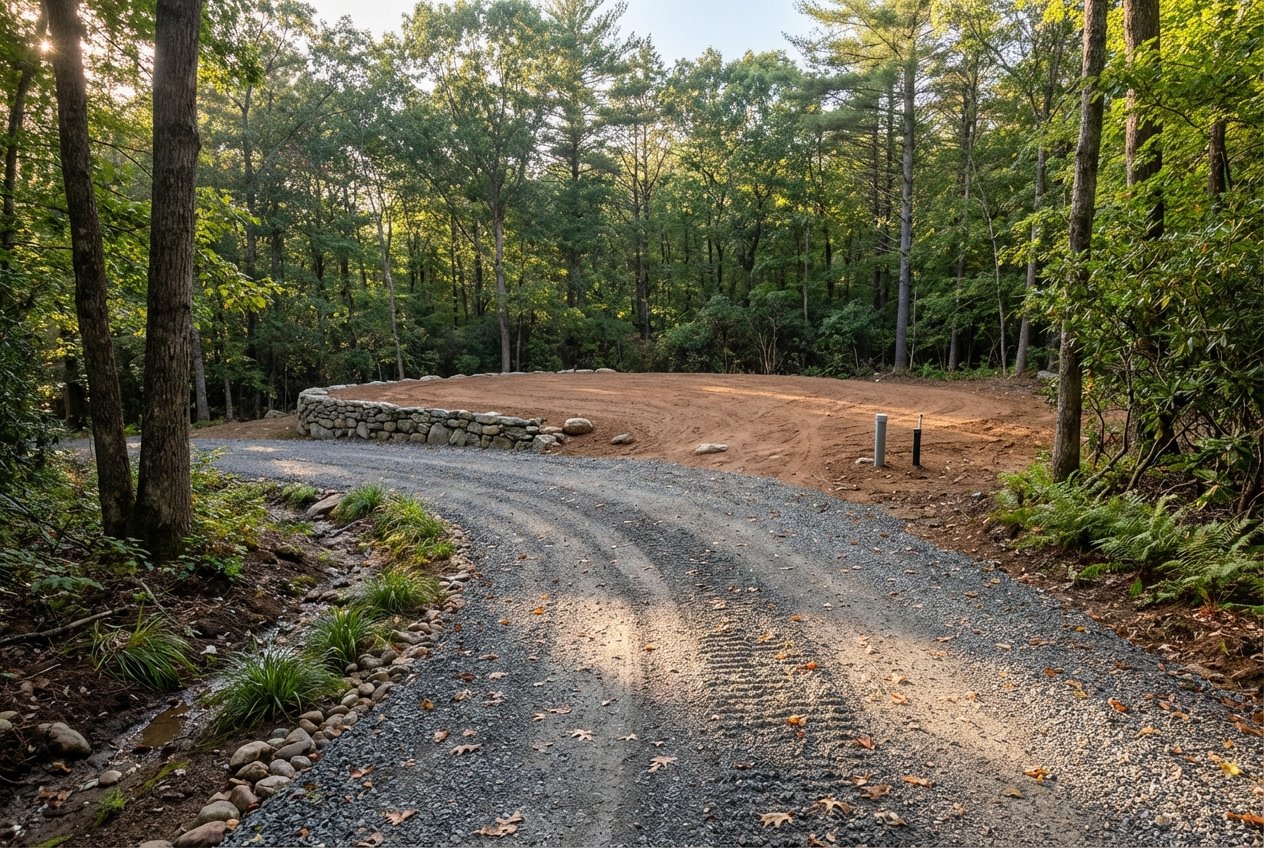
That long-range mountain view can be the reason you buy land in Fairview, but the path from listing photo to buildable homesite is not always simple. You want clarity on access, septic, slope, and utilities before you commit. In this guide, you’ll learn the key checks, the county and state rules that matter, and a realistic path to permits and timelines for Fairview acreage. Let’s dive in.
Why Fairview draws view-seekers
Fairview sits southeast of Asheville in Buncombe County with many parcels in the low-to-mid 2,000-foot elevations. If you’re after long, layered vistas, verify a parcel’s specific contours and ridges rather than relying on a general elevation. For quick orientation on the area, review the community’s background on the Fairview page on Wikipedia. Fairview’s rural character also means more parcels rely on private roads, wells, and septic, which can give you privacy and acreage but add due diligence on access and utilities.
Start with access and roads
Buncombe County does not maintain roads in unincorporated areas, so parcels typically connect to either state-maintained roads or private subdivision roads and shared driveways. Always verify recorded easements and a road maintenance agreement that covers grading, repairs, and snow or ice plans. County subdivision guidance explains how private roads are handled and when the Fire Marshal reviews shared drives for emergency access.
If your driveway will meet a state-maintained road, NCDOT usually requires a driveway/access permit. Standards cover sight distance, drainage, and width and can trigger improvements. Review the state’s driveway access policy early so you know what to expect. For private drives that serve multiple homes, the County’s Fire Marshal may also require minimum widths and turnarounds to ensure emergency vehicles can reach the homes.
- Helpful links:
- Buncombe County Subdivisions and private road guidance: subdivision and private road requirements
- NCDOT driveway access standards: state driveway/access policy
Understand slope, clearing, and erosion
Fairview’s views often come with slope, which affects clearing and build costs. Buncombe County’s Steep Slope/High Elevation and Protected Ridge overlays can add setbacks, engineering, and design standards for development on steep or high ground. Check your parcel’s zoning and overlay layers through Buncombe Planning & Zoning before you assume you can open a view or build near a ridge.
If you will disturb 1 acre or more with grading, driveway, and home construction combined, North Carolina requires an approved erosion and sedimentation control plan before land disturbance. That review has required timelines, so build it into your schedule. The region also recognizes landslide and steep-slope risks, which is why a geotechnical assessment and engineered grading plan are smart on sloped house sites.
- Helpful links:
- Zoning and overlay maps: Buncombe Planning & Zoning
- State Erosion & Sediment Control FAQs: NCDEQ E&SC requirements
- Regional hazard reference: steep-slope and landslide risk
Confirm septic and well feasibility
In much of Fairview, there is no public sewer or water, so septic and a private well are critical feasibility items. Buncombe County Environmental Health permits septic systems and wells and can issue an Improvement Permit for septic that confirms a buildable house site for a period of time. You will need an Authorization to Construct for septic before a building permit is issued.
Mountain soils can change quickly over short distances. Even large acreage may have only limited pockets suitable for a drainfield. A county site evaluation or a private soils engineer can help you find the right location and system type. For wells, you’ll apply for a well permit and confirm both yield and water quality after drilling.
- Helpful link: Buncombe Environmental Health: septic and wells
Check power, gas, and internet
Do not assume power, gas, or broadband are on the lot line. Some Fairview acreage will require extending electric lines or setting a transformer, which can add cost and time. Natural gas is limited in mountain areas, so most rural homes use propane or electric heating.
Broadband availability varies by address and elevation. Check multiple providers’ coverage tools and confirm cell service at the actual house site. If reliable remote work is a must, get written estimates for any needed utility extensions before you offer.
- Helpful link: County permitting orientation and utility contacts: Buncombe Permits & Inspections
The permitting path and timeline
Here is a high-level sequence to keep your project moving:
Confirm zoning and overlays. Pull your parcel’s zoning district and check for Steep Slope, Protected Ridge, or other overlays that add submittals or design standards. Start here to avoid redesign later. Reference: Buncombe Planning & Zoning
Secure septic and well approvals. Apply with Environmental Health for a septic site evaluation and, if feasible, an Improvement Permit. You will need an Authorization to Construct before the County issues a building permit. Reference: Environmental Health
Plan for erosion and grading. If the combined disturbance for your house, drive, and clearing will reach 1 acre or more, submit an E&SC plan and receive approval before land disturbance. Reference: NCDEQ E&SC
Address road and driveway access. If your driveway meets a state route, apply for an NCDOT driveway permit. For private roads serving multiple lots, expect Fire Marshal standards for widths and turnarounds. Reference: NCDOT driveway policy
Apply for building permits. After septic authorization and any required site plans are approved, submit for building permits through Buncombe County’s portal. Reference: Permits & Inspections
A straightforward site with no overlays, approved septic, and an existing public-road driveway can often move in a few months. Parcels that need engineered septic, slope work, private-road upgrades, NCDOT access improvements, or E&SC plans typically add multiple months.
On-site due diligence checklist
Use this quick list before you write an offer:
- Pull the parcel in County GIS and confirm zoning and any steep-slope or protected ridge overlays. Reference: Planning & Zoning
- Ask for septic and well records. If none, budget for a soils evaluation and apply for an Improvement Permit with Environmental Health. Reference: Environmental Health
- Verify access ownership and maintenance. Get recorded easements and a road maintenance agreement. If the driveway meets a state road, contact NCDOT early about a driveway permit. Reference: Subdivision guidance
- Order a topographic survey and, for steep sites, a geotechnical review to plan house placement, drive routing, and retaining needs. Reference: Fairview topographic map view
- Contact electric and internet providers to confirm service and any line-extension costs. Get estimates in writing.
- If total disturbance may reach 1 acre or more, plan your E&SC submittal and timeline. Reference: NCDEQ E&SC
Fairview vs other mountain towns
Compared with incorporated towns around Asheville, Fairview often offers larger parcels with a more rural feel and fewer municipal design layers. The tradeoff is more due diligence on private access, wells, and septic. If you prefer public utilities and municipal maintenance, compare specific parcels in nearby towns, but always confirm utility boundaries and service for the exact property.
Ready to walk land in Fairview?
Buying a view lot in the mountains is about aligning beauty with buildability. If you confirm three things early, you will have a clear path forward: septic and well feasibility, road and driveway access, and whether overlays or slope conditions will add engineering and erosion controls. If those look workable, you can move into design, permitting, and construction with confidence.
When you are ready for a curated, boots-on-the-ground evaluation of Fairview acreage, reach out to Kim Gentry Justus at Christie’s International Real Estate. You will get hands-on guidance rooted in local terrain knowledge and a tailored plan for your goals.
FAQs
What makes a Fairview mountain lot truly buildable?
- Buildability hinges on septic and well feasibility, compliant access for emergency vehicles, and whether steep-slope overlays or 1-acre erosion thresholds trigger added engineering and permits.
How do I verify private road maintenance for a Fairview parcel?
- Ask for the recorded road maintenance agreement and easements and review County subdivision guidance to see when the Fire Marshal may require standards for shared drives.
Do I need a permit to clear trees for a view in Fairview?
- You must follow county overlays and state erosion rules, and if disturbance reaches 1 acre or more, NCDEQ requires an approved E&SC plan before land disturbance.
Can I rely on an old septic note from a prior owner?
- No. Obtain a current site evaluation and an Improvement Permit or Authorization to Construct from Buncombe Environmental Health to confirm septic capacity for your planned home.
When is an NCDOT driveway permit required in Buncombe County?
- If your driveway connects to a state-maintained road, NCDOT typically requires a driveway/access permit that addresses sight distance, width, and drainage.