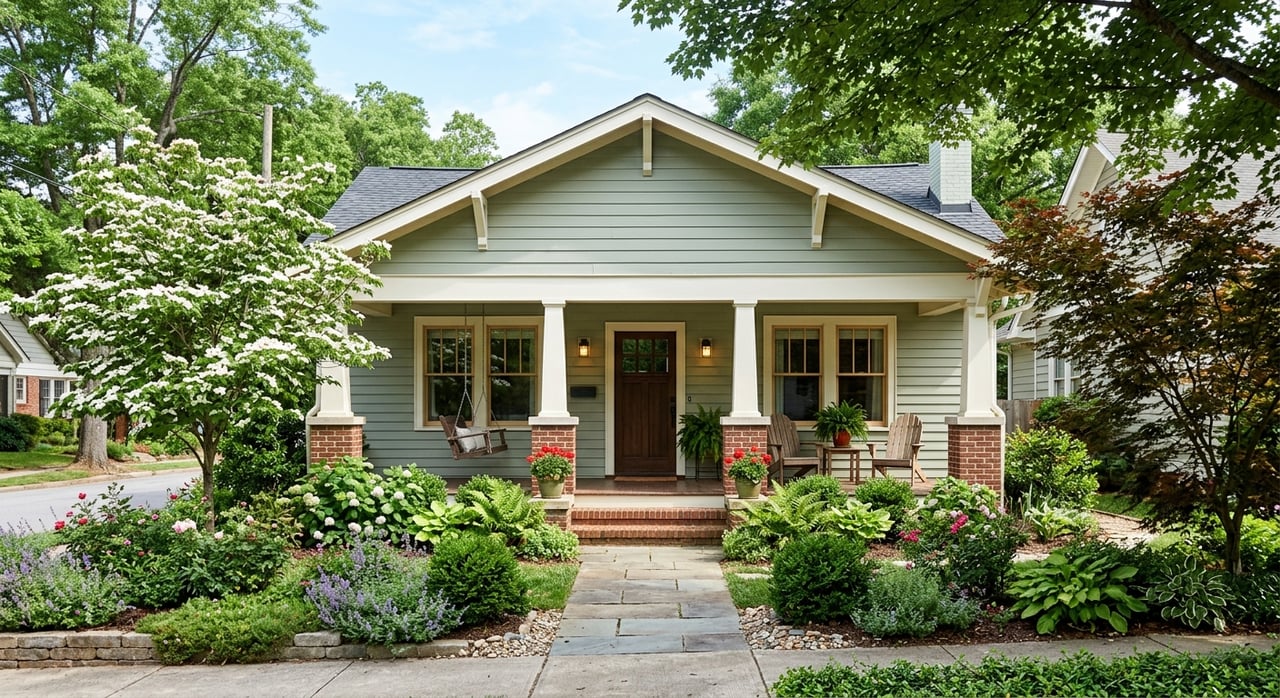
If you are drawn to Canton, chances are you are also choosing between two very different home stories. One is the fresh appeal of a new-build neighborhood with modern finishes and newer systems. The other is the lived-in character of a classic mill home with porch presence and deep ties to the town’s history. If you are trying to decide which path fits your lifestyle, priorities, and comfort with upkeep, this guide will help you compare the tradeoffs clearly. Let’s dive in.
Why Canton Feels Like Two Markets
Canton is a small historic mill town on the Pigeon River with a population of 4,420 and a land area of 3.8 square miles. That compact scale shapes how you experience housing here because location can change your day-to-day routine in a noticeable way.
The town is also planning for its future in a very intentional way. Canton’s current planning materials highlight walkable streets, diverse housing, and a connected downtown and mill district. At the same time, the former mill corridor is part of active redevelopment and corridor planning tied to flood mitigation, recreation, land use, and economic opportunity.
For you as a buyer, that means Canton is not just a place with old homes on one side and new homes on the other. It is a town where past and future are both visible, and that makes your home choice feel more personal.
What New-Build Homes Offer
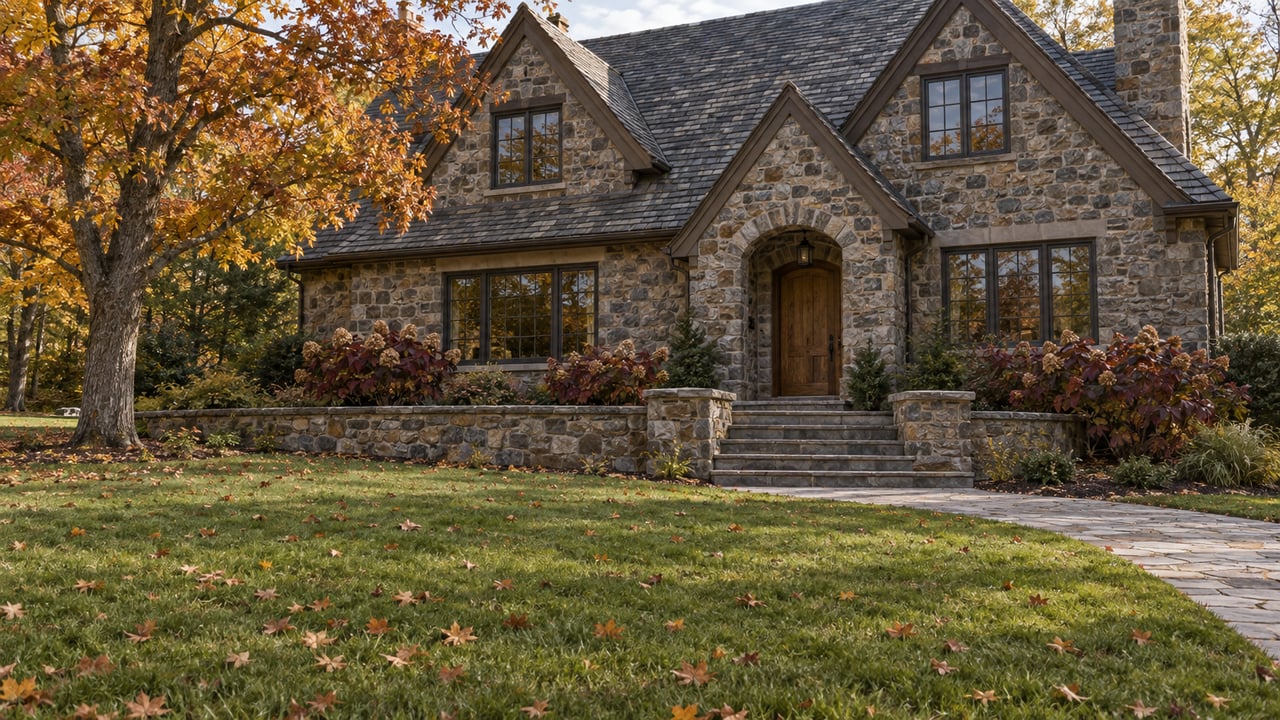
New construction in Canton is not limited to one setting. Current market examples show that newer homes can appear in walkable in-town locations, while others sit on larger, more private lots near the edge of town.
That range matters because “new-build” does not automatically mean one look or one lifestyle. In Canton, it can mean a home close to Main Street or a property with more space and separation.
Newer Design and Systems
Many buyers are drawn to new-build homes because they often offer open layouts, contemporary finishes, garages, and newer building systems. If you want a home that feels move-in ready from day one, that can be a major advantage.
You may also prefer the simpler decision-making that often comes with newer construction. Instead of planning immediate updates, you can focus more on layout, lot, and location.
HOA and Shared Maintenance
If you are looking at a newer subdivision or attached-home style development, it is important to ask about homeowners’ association rules. Canton’s Subdivision and Land Development Ordinance requires HOAs for developments with common elements, and those associations are responsible for shared areas, including maintenance, taxes, and insurance.
In practical terms, that can create a more predictable standard for common spaces and exterior conditions. It can also mean dues, rules, and shared obligations that you will want to understand before you buy.
Site Conditions Still Matter
A new house is still shaped by its land. Canton’s Planning Department handles zoning, floodplain management, annexation, and development review, which is a helpful reminder that drainage, access, and floodplain conditions can still affect a newer home.
If you are comparing two new-build options, do not stop at finishes and floor plan. Ask how the lot sits, how water moves across the site, and how the setting may affect long-term use.
What Classic Mill Homes Offer
Canton’s older housing stock is closely tied to the Champion Fibre Company era. The local architectural survey notes that the mill opened in 1907, the commercial district developed between 1910 and 1920, and Champion built sixty-one identical worker houses in Fibreville in 1906.
That history still shapes the look and feel of many homes in town. If you are attracted to homes with a sense of place, Canton’s mill-era neighborhoods often carry that story in a very visible way.
Character and Architecture
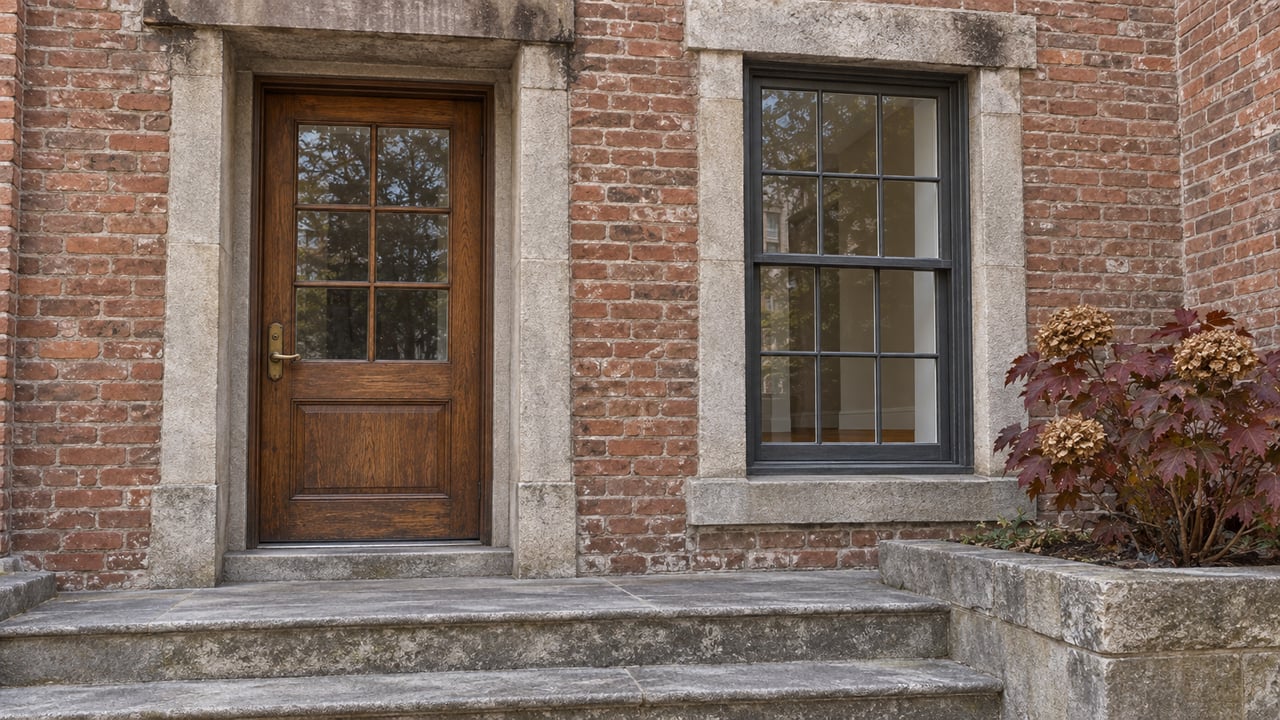
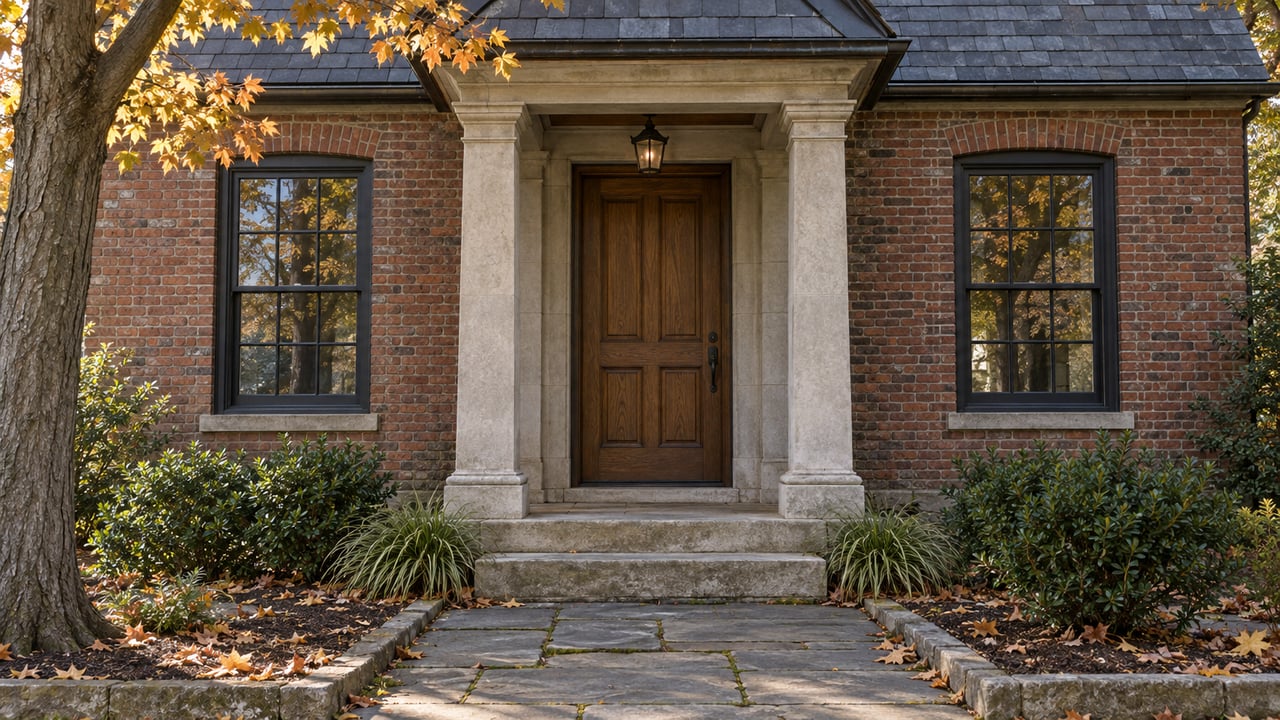
Many classic Canton mill homes reflect Craftsman and bungalow influences. You will often see one-story or one-and-a-half-story forms, broad gable roofs, open or screened front porches, and tapered porch posts.
These homes tend to feel modest in scale but rich in detail. If front-porch living, older street grids, and early 20th-century design speak to you, this housing style may feel especially appealing.
In-Town Lots and Older Streetscapes
Mill-era homes are generally woven into Canton’s older street network. They often sit on tighter in-town lots and closer to the historic core than some newer homes.
That can appeal to buyers who want to feel more connected to downtown, neighborhood streets, and the town’s historic fabric. In a place as compact as Canton, those small distance differences can shape how often you walk versus drive.
More Hands-On Upkeep
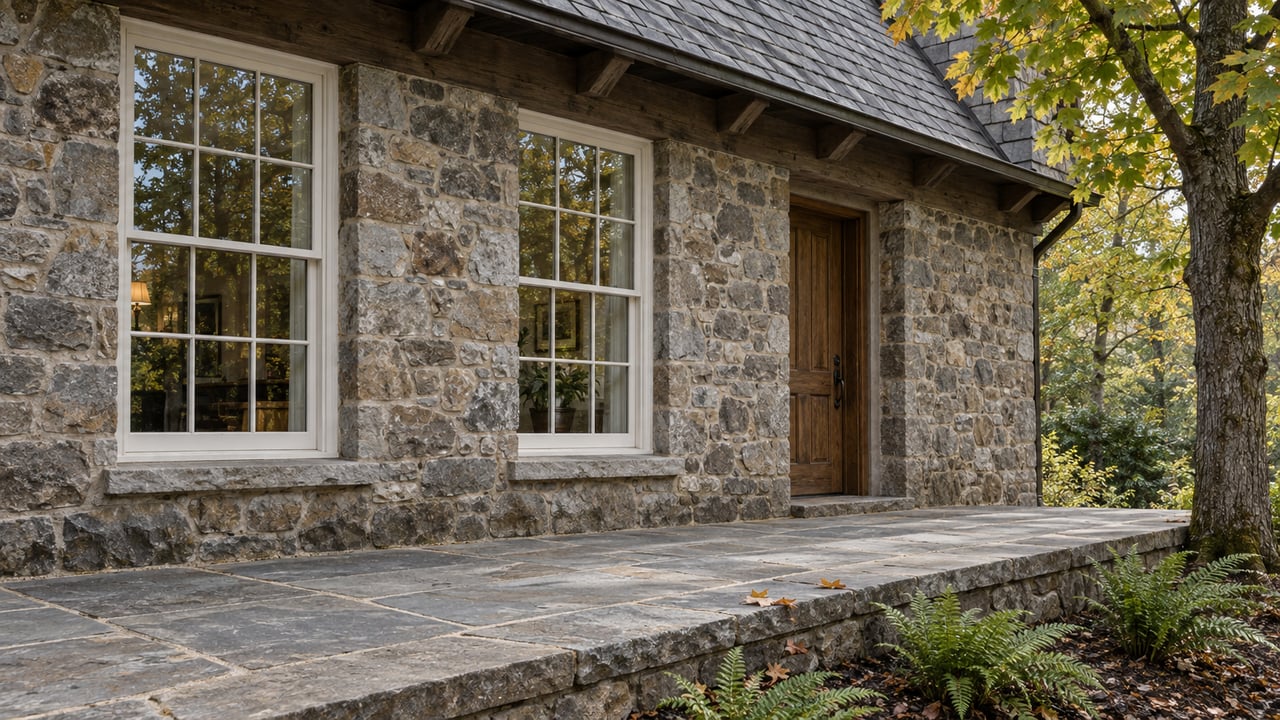
Older homes usually come with more maintenance responsibility. Preservation guidance for historic properties emphasizes the ongoing repair and maintenance of original materials and features rather than simple replacement.
For you, that may mean more attention to windows, porches, roofs, wood details, or aging systems over time. The reward is character, but the tradeoff is usually a more active ownership experience.
How Location Changes the Decision
Canton’s 2022 Land Use Plan calls for a walkable town center with retail, office, mixed-use spaces, municipal services, and pocket parks. The town is also actively planning around the former mill site and the Pigeon River corridor.
Because of that, your choice is not only about house style. It is also about whether you want to be closer to the original downtown and mill framework or in a newer setting that may offer more privacy, a different lot pattern, or a more updated feel.
If you enjoy being part of a compact town environment, a classic in-town home may align well with your goals. If privacy, newer finishes, or a larger lot are higher priorities, a new-build option may feel like the better match.
A Simple Side-by-Side Comparison
| Feature | New-Build Neighborhoods | Classic Mill Homes |
|---|---|---|
| Typical feel | Newer finishes and modern layout | Historic character and porch presence |
| Common settings | In-town infill or edge-of-town lots | Older in-town streets and established blocks |
| Lot pattern | Can range from compact to private acreage-style settings | Often tighter lots within older neighborhoods |
| Maintenance | Newer systems, often fewer immediate repair needs | More upkeep of original materials and older systems |
| HOA possibility | Often yes when common elements exist | Less likely in traditional older neighborhoods |
| Lifestyle draw | Convenience, updated design, simpler move-in | Character, history, walkability, and architectural charm |
Which Home Style Fits You Best
The right answer usually comes down to how you want to live, not just what looks best online. Both options can work beautifully, but they serve different priorities.
A new-build home may be a better fit if you want:
- A more turnkey experience
- Contemporary layouts and finishes
- Potentially fewer short-term repair projects
- A neighborhood with shared maintenance structure
- More privacy or a larger lot in some settings
A classic mill home may be a better fit if you want:
- Early 20th-century architectural detail
- A front porch and stronger historic character
- Closer ties to the older street grid and downtown fabric
- A home with a visible connection to Canton’s past
- The opportunity to care for and update an older property over time
What to Ask Before You Buy
No matter which direction you lean, a few questions can help you compare homes more clearly.
Questions for New-Build Homes
- Is there an HOA, and what does it maintain?
- Are there shared spaces or common elements?
- How does the lot handle drainage and stormwater?
- Is the home in or near a floodplain review area?
- Does the location feel more walkable or more car-dependent for your routine?
Questions for Mill Homes
- What original features remain in the home?
- What updates have already been made to systems and structure?
- What maintenance should you expect in the near term?
- How close is the property to downtown and the historic core?
- How much of the home’s value to you comes from charm versus convenience?
Why This Choice Matters in Canton
In many towns, older homes and newer homes feel like a standard market split. In Canton, the contrast is more meaningful because the town itself is shaped by that transition.
You are choosing between two versions of place. One reflects the historic mill-town pattern that built Canton’s identity. The other reflects how the town is growing and adapting through new housing and long-term redevelopment planning.
If you approach the decision with a clear sense of your lifestyle, maintenance comfort, and location priorities, you are much more likely to choose well.
Whether you are drawn to a bungalow with a broad front porch or a newer home with clean lines and updated systems, Canton offers both character and change in a compact mountain setting. If you want help weighing walkability, lot feel, design character, and long-term fit, Kim Gentry Justus at Christie's International Real Estate offers a high-touch, locally informed approach tailored to western North Carolina buyers.
FAQs
What is the main difference between new-build neighborhoods and classic mill homes in Canton?
- New-build homes in Canton usually offer newer systems, open layouts, and contemporary finishes, while classic mill homes tend to offer bungalow or Craftsman character, front porches, and stronger ties to the town’s early 20th-century history.
Do newer Canton neighborhoods usually have an HOA?
- Often yes, especially when the development includes common elements, because Canton’s subdivision ordinance anticipates homeowners’ associations for shared areas and maintenance responsibilities.
Are classic mill homes in Canton closer to downtown?
- Many are, because older mill-era homes are generally part of the town’s historic street network and in-town neighborhoods near the original core.
Do older mill homes in Canton need more maintenance?
- Usually yes, because older homes often require more ongoing care for original materials, porches, roofs, and older systems.
Is Canton changing around the former mill area?
- Yes, the town is actively planning the Pigeon River corridor and former mill site for flood mitigation, redevelopment, recreation, land use, and economic opportunities.
Can you find new construction in both walkable and private settings in Canton?
- Yes, current market examples show new homes in walkable in-town locations as well as homes on larger, more private lots near the edge of town.