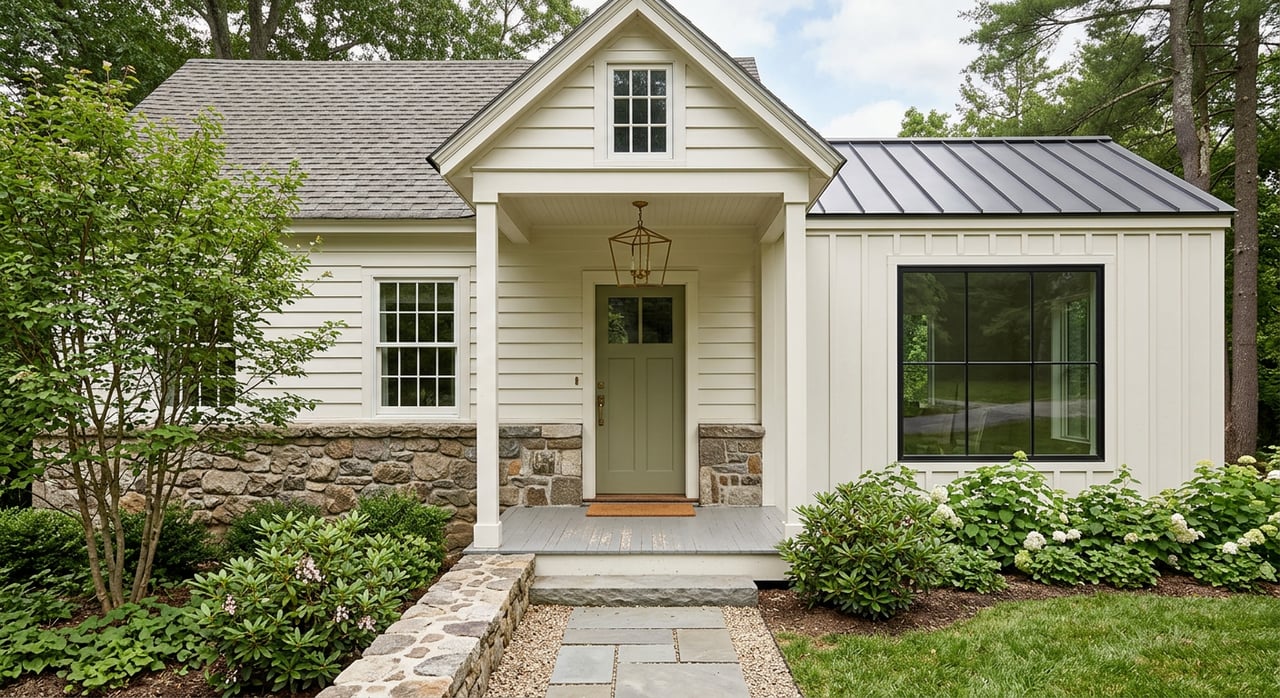
Which feels more like you right now: a storybook bungalow steps from Town Square or a crisp new build with modern comfort and mountain light? If you are comparing historic charm to turnkey ease in Black Mountain, you are not alone. You want the right mix of lifestyle, cost, and confidence before you make a move. This guide gives you a clear, local look at price dynamics, maintenance, energy performance, approvals, and everyday living so you can choose with clarity. Let’s dive in.
Black Mountain at a glance
Black Mountain is a small, walkable mountain town with a population around 8,400, according to the U.S. Census QuickFacts. The heart of town is compact and inviting, with galleries, cafes, and a restored train depot. The Walk Score for the central area sits in the low 70s, which signals a very walkable core and strong porch-to-downtown living for nearby cottages. Asheville is roughly 18 to 25 minutes away by car, so you can balance small-town pace with big-city amenities when you need them.
- Source the numbers you trust. Different platforms report different housing metrics for Black Mountain. Zillow tracks an automated value index, Redfin publishes a median sold price, and Realtor.com lists a median list price. Treat each figure as a snapshot with a method and a date. At decision time, choose one current source and calibrate your comps the same way.
- Watch the new-home premium. National data shows the new-home price premium has narrowed in recent quarters, which can make new construction more price-competitive. Local lot costs, finishes, and builder incentives still drive outcomes address by address.
Links for context: U.S. Census QuickFacts, Walk Score for downtown Black Mountain, and Realtor.com’s national new-home trend.
What you get with a historic cottage
Architecture and neighborhoods
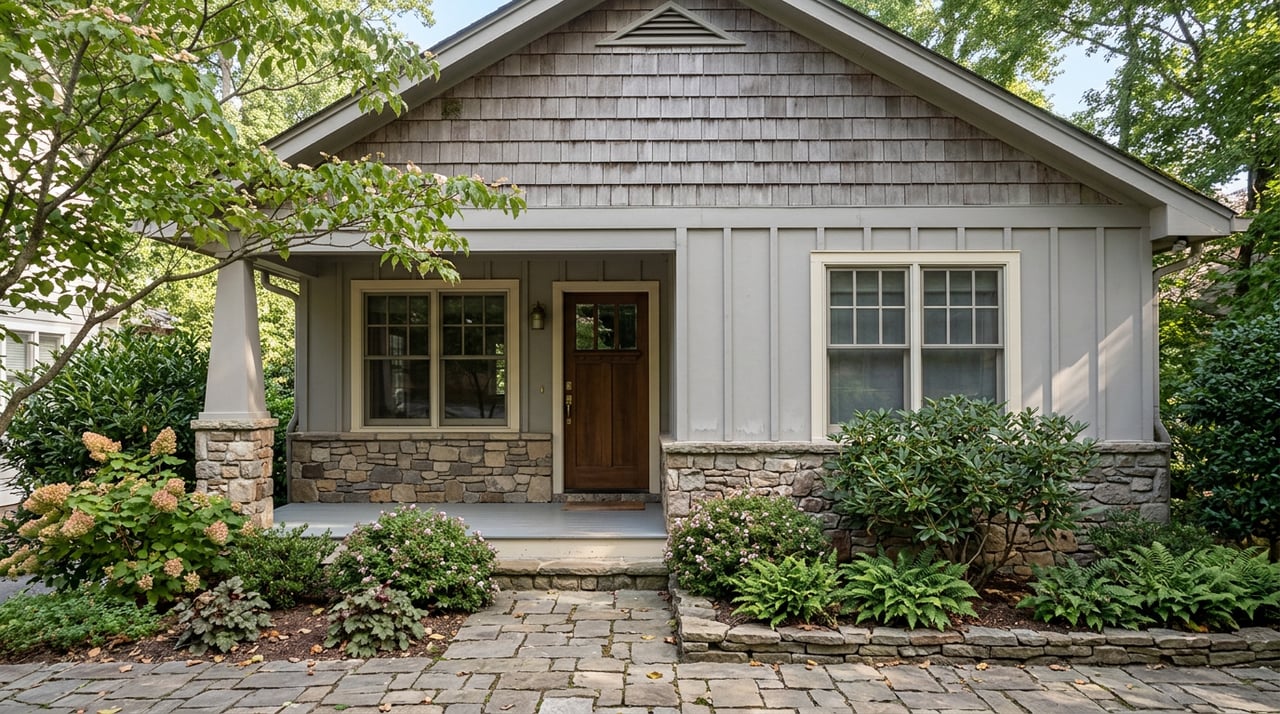
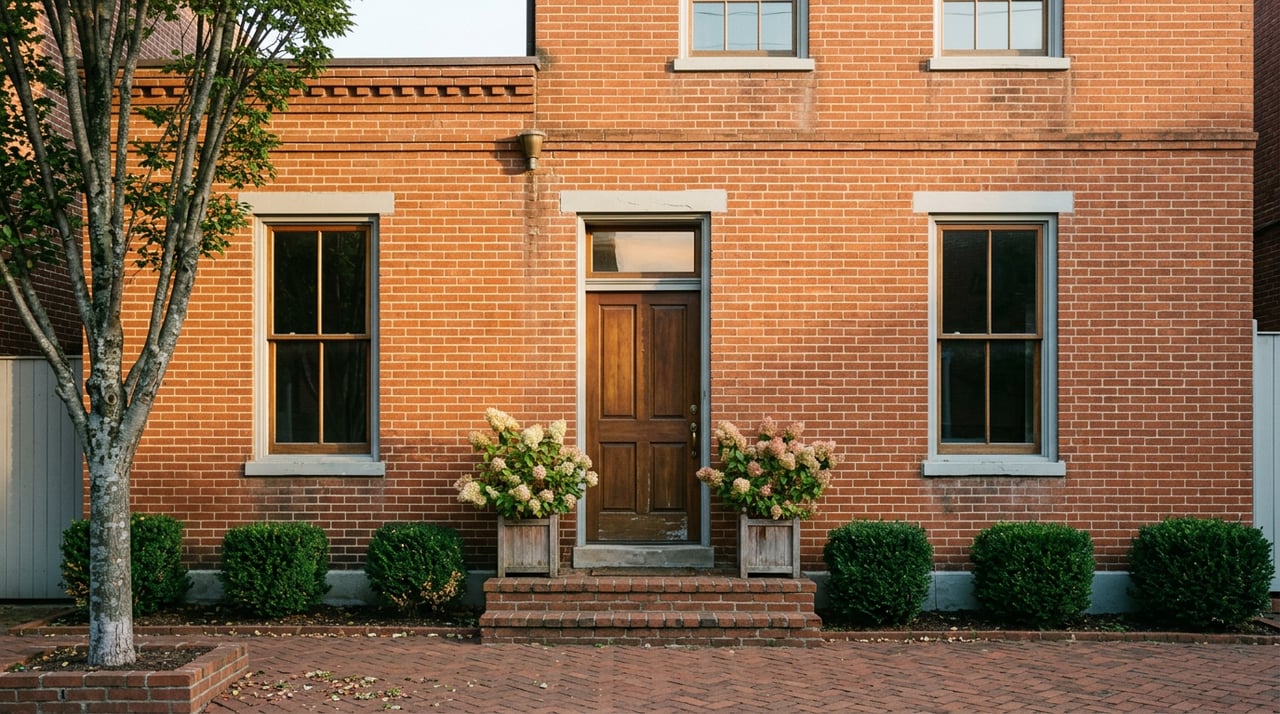
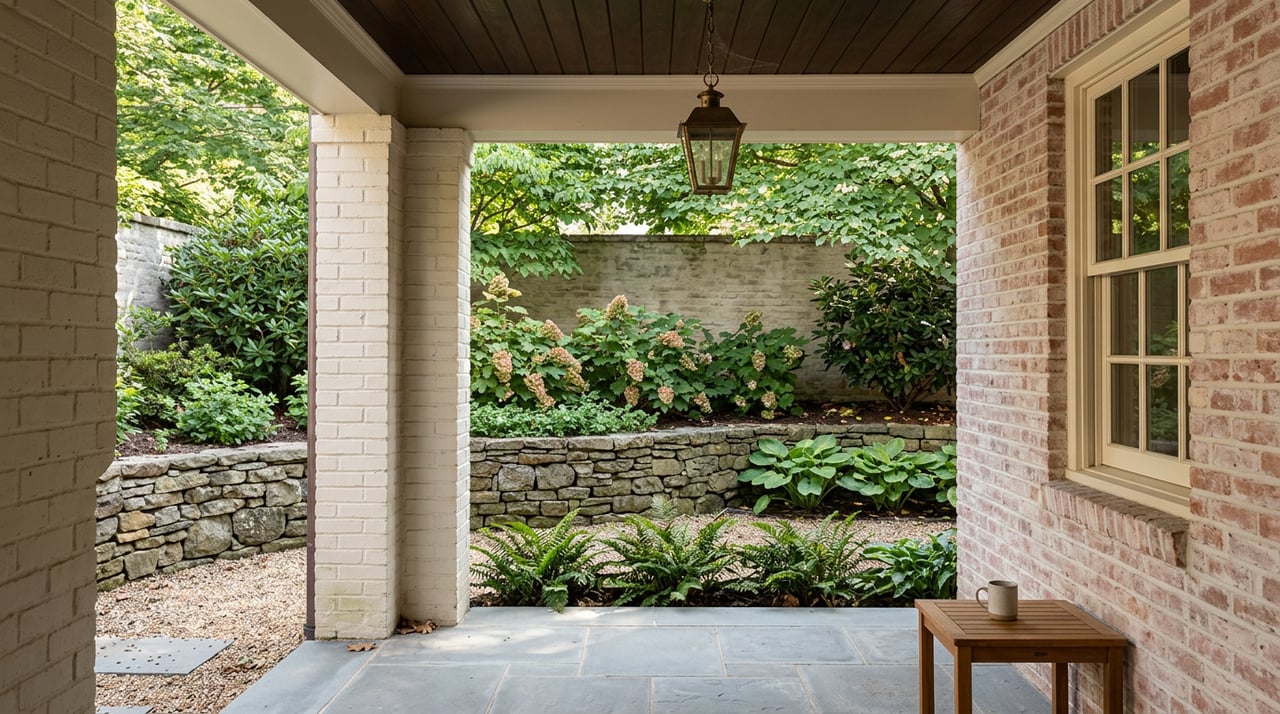
If you love bungalows and river-rock porches, Black Mountain delivers. The state architectural survey documents a large number of early 20th-century Craftsman bungalows, period cottages, Colonial Revival homes, and Minimal Traditional styles in and around downtown. Typical features include one to one-and-a-half stories, deep porches, river-rock foundations or chimney details, and mature street trees. Several areas are recognized for intact historic character, including the Downtown Historic District and nearby neighborhoods described in National Register materials.
Inside the town’s designated Downtown Historic District overlay, exterior changes, new construction, and demolitions often require review by the Historic Preservation Commission. That process results in a Certificate of Appropriateness for qualifying work. Plan for this step if you are buying a contributing cottage and want to change siding, windows, or porch configurations.
- Learn more: the state architectural survey of Black Mountain and the town’s Historic Preservation Commission.
Maintenance and hidden costs
Historic cottages are beloved for character, but age can add complexity. You may encounter older roofs, original or outdated electrical, galvanized plumbing, limited insulation, and period windows that need repair rather than replacement. River-rock foundations and porch piers are beautiful but can require specialist stonemasonry if settling or water issues appear.
Plan a robust inspection phase with targeted pros. For example, bring an electrician if you suspect knob-and-tube wiring, and ask a structural or masonry specialist to evaluate any river-rock or retaining-wall movement. For older homes, it is prudent to set a contingency equal to 10 to 20 percent or more of your estimated renovation budget to handle surprises without stress.
Insurance considerations
Older homes can cost more to insure, and some carriers will not underwrite properties with specific legacy systems until they are updated. In certain cases, specialty policies for older structures apply. The best move is to secure insurance quotes during due diligence and use any required updates to refine your budget and your repair timeline.
- Helpful primer: what to know about insuring older homes.
Preservation incentives
If a property is listed or contributes to a National Register district, you may be eligible for rehabilitation incentives or technical assistance. The town’s Historic Preservation Commission can point you to current programs and explain how the Certificate of Appropriateness process works. Always confirm eligibility, standards, and timelines before you count on any incentive in your numbers.
- Start here: Black Mountain’s Historic Preservation Commission.
What you get with a new build
Types and where they appear
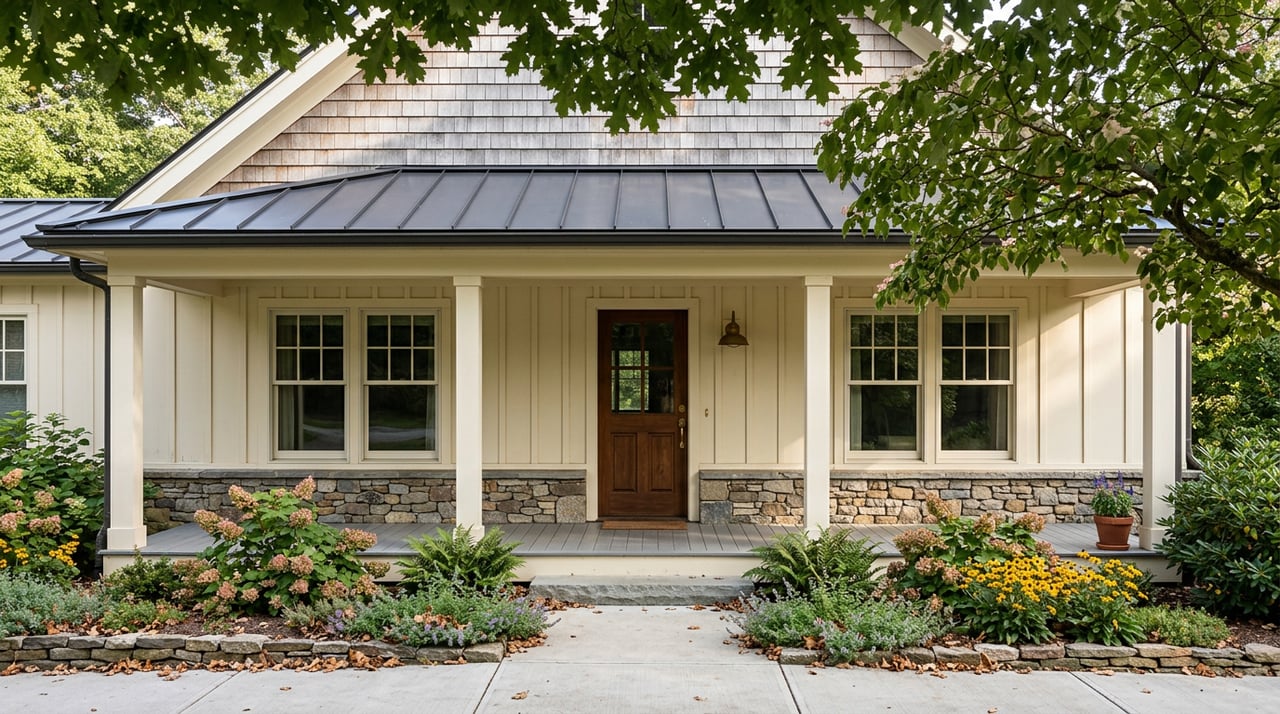
New construction around Black Mountain shows up in two common ways. You will see infill single-family homes on existing lots in or near town, and you will find small subdivisions or custom homes on larger lots outside the downtown core. The appeal is simple. You get modern layouts, energy-smart systems, and often a garage or flex space that older cottages lack.
Permits, inspections, and timing
The Town of Black Mountain enforces North Carolina building codes through its Permits and Inspections office. Plan review times vary with scope, and inspections occur at defined milestones. New builds are more predictable than large historic rehabs, but your total schedule still depends on grading, foundations, utilities, and your builder’s calendar. Factor the review and inspection cadence into your project plan from day one.
- Learn the process: the town’s Permits and Inspections portal.
Energy performance and incentives
New builds give you the easiest path to high efficiency. It is simpler and more cost-effective to install insulation, modern ductwork, and heat pumps during construction, and many builders wire for EV charging as a standard or option. Utility and regional programs can sweeten the deal with incentives, fee reductions, or guidance.
- Explore options: a regional overview of energy incentives. For federal credits on qualifying equipment, review current IRS Residential Clean Energy Credit guidance, then confirm eligibility with your tax professional and utility program administrators.
Head-to-head: how the choices compare
Price and value dynamics
- Historic cottages. You may see a location premium when a cottage sits within or near a recognized historic district and walkable downtown blocks. Purchase price can look favorable per square foot compared to a custom new build, but systems updates and exterior restoration can add to the true cost.
- New builds. The traditional price premium for new homes has narrowed nationally in recent quarters, which can make some new builds more competitive. Always compare total cost to own. Look at purchase price plus near-term upgrades, utilities, and any landscape or hardscape you will add.
Maintenance and predictability
- Historic cottages. Expect a higher short-term risk of deferred maintenance. Budget a healthy contingency and stack the right specialty inspections early. The payoff is character, mature trees, and a sense of place that is hard to recreate.
- New builds. You gain predictable systems, lower immediate maintenance, and often a builder warranty. Keep an eye on drainage, grading, and soil conditions so the site performs as well as the structure.
Energy efficiency and operating cost
- Historic cottages. Older shells are typically less efficient unless they have been retrofitted. Thoughtful upgrades to heat pumps, insulation, and air sealing can transform comfort and bills, but they take planning to protect historic fabric. Confirm current IRS guidance and any state or utility incentives before you count a credit in your budget.
- New builds. High performance is easier at handover. You start with insulated assemblies, sealed ducts, and modern mechanicals. That foundation lowers your operating costs from day one, and you may qualify for builder or utility incentives.
Lifestyle and location
- Historic cottages. If you prioritize front-porch living, shorter walks to coffee, and a smaller yard to maintain, a downtown or near-downtown cottage can fit beautifully. Walkable access keeps you close to markets, galleries, and community events.
- New builds. If you want open living, a garage, and more elbow room, a newer home can deliver that blend of flexibility and ease. You trade shorter walks for extra interior space and newer systems.
Design flexibility and approvals
- Historic cottages. If your home is in a designated overlay, exterior work can trigger review and a Certificate of Appropriateness. Interiors usually offer more freedom, but exterior standards shape siding choices, porch details, and window approaches.
- New builds. You have wide design control within zoning and code. You can go straight to the finishes and technology you want without navigating preservation standards.
How to decide: a simple playbook
Use this quick framework to match your home type to your priorities.
- Clarify what matters most
- Walkability and character or space and flexibility?
- Timeline tolerance. Are you willing to manage a multi-phase renovation, or do you prefer move-in ready?
- Design appetite. Do you want to personalize every surface or keep selections simple?
- Run the numbers with eyes open
- Pull a permit history and tax card, then align your comps to one current data source and date. Consistency is key.
- Price the work. For older cottages, get multiple bids for electrical, plumbing, roofing, windows, and any masonry or structural items. Use national Cost vs. Value benchmarks as a rough guide for kitchen, bath, and curb-appeal projects, then refine with local contractor quotes.
- Set a contingency. For pre-1940s homes, reserve 10 to 20 percent or more of the renovation budget for unknowns.
- Tighten due diligence early
- If the home is in a regulated historic district, review the town standards and ask whether the property has prior Certificates of Appropriateness on file.
- Order targeted inspections. Bring specialists for legacy systems and stone or foundation issues.
- Obtain insurance pre-approval quotes, especially for older homes. If a carrier requires system updates, use that information to negotiate or plan your scope.
- Plan for energy and comfort
- For cottages, map out the sequence for insulation, air sealing, and heat pump upgrades so you avoid rework. Confirm current IRS guidance and any available local or utility incentives before you finalize.
- For new builds, ask your builder about energy features, blower-door testing, and options for EV charging or solar readiness. Incentives can change, so verify eligibility by address and utility territory.
Links you can use along the way: the town’s Historic Preservation Commission, Permits and Inspections, national Cost vs. Value benchmarks, guidance on insuring older homes, regional energy incentives, and current IRS clean-energy credit rules.
Which path fits you best?
- The porch-swing traditionalist. You want morning coffee within a few blocks, a leafy street, and period details that feel timeless. A well-cared-for cottage near downtown can be a perfect match if you budget smartly for systems and selective restoration.
- The turnkey modernist. You prefer clean lines, open rooms, and a garage for gear. A new build offers comfort, predictability, and lower near-term maintenance so you can spend weekends outside instead of renovating.
- The design-forward hybrid. You love character but want high performance. Look for a sensitively updated historic home or commission a new build on an in-town lot with a cottage scale and contemporary systems.
Ready to compare homes in person?
Whether you are drawn to river-rock porches or new-build efficiency, you deserve a thoughtful search and a clear plan. I pair deep local knowledge with a design mindset to help you run the numbers, understand approvals, and spot long-term value on either path. If you are ready for curated options and straight answers, let’s talk. Connect with Kim Gentry Justus at Christie’s International Real Estate for a private consultation and on-the-ground insights.
FAQs
What defines a historic cottage in Black Mountain?
- Many local cottages are early 20th-century bungalows or period homes with features like river-rock foundations, deep porches, and one to one-and-a-half stories, as documented in the state’s architectural survey.
Do I need approval to change a historic home’s exterior?
- If the property sits within the town’s Downtown Historic District overlay, certain exterior work requires Historic Preservation Commission review and a Certificate of Appropriateness; check the town HPC page for current standards.
How long does new-build permitting take in Black Mountain?
- Timelines vary by scope, but plan review can take weeks and inspections occur at set milestones; the town’s Permits and Inspections portal outlines current requirements and processes.
Are older homes harder to insure in North Carolina?
- They can be, especially if they have legacy electrical or plumbing; obtain quotes early and ask carriers about required updates so you can factor costs into your budget.
Which option is better for energy efficiency and incentives?
- New builds more easily achieve high performance at closing and may tap builder or utility incentives, while older cottages benefit from planned upgrades and may qualify for federal credits; always verify current program rules before you count on them.